
I’ve entered Metro Manila in two different ways. One through the airport in Pasay City, and just last month, for the first time, by sea through the Port of Manila. Each time I step outside the terminals, there’s that same mix of excitement and unease. The traffic, the car-centric roads, the concrete, the skyways, and the trains running above it all. Everything hits you all at once.
Undeniably, Metro Manila is a place of contradictions. It’s overwhelming yet magnetic and exhausting yet impossible to ignore. It has so much to offer. I say that having experienced it across different chapters of my life.

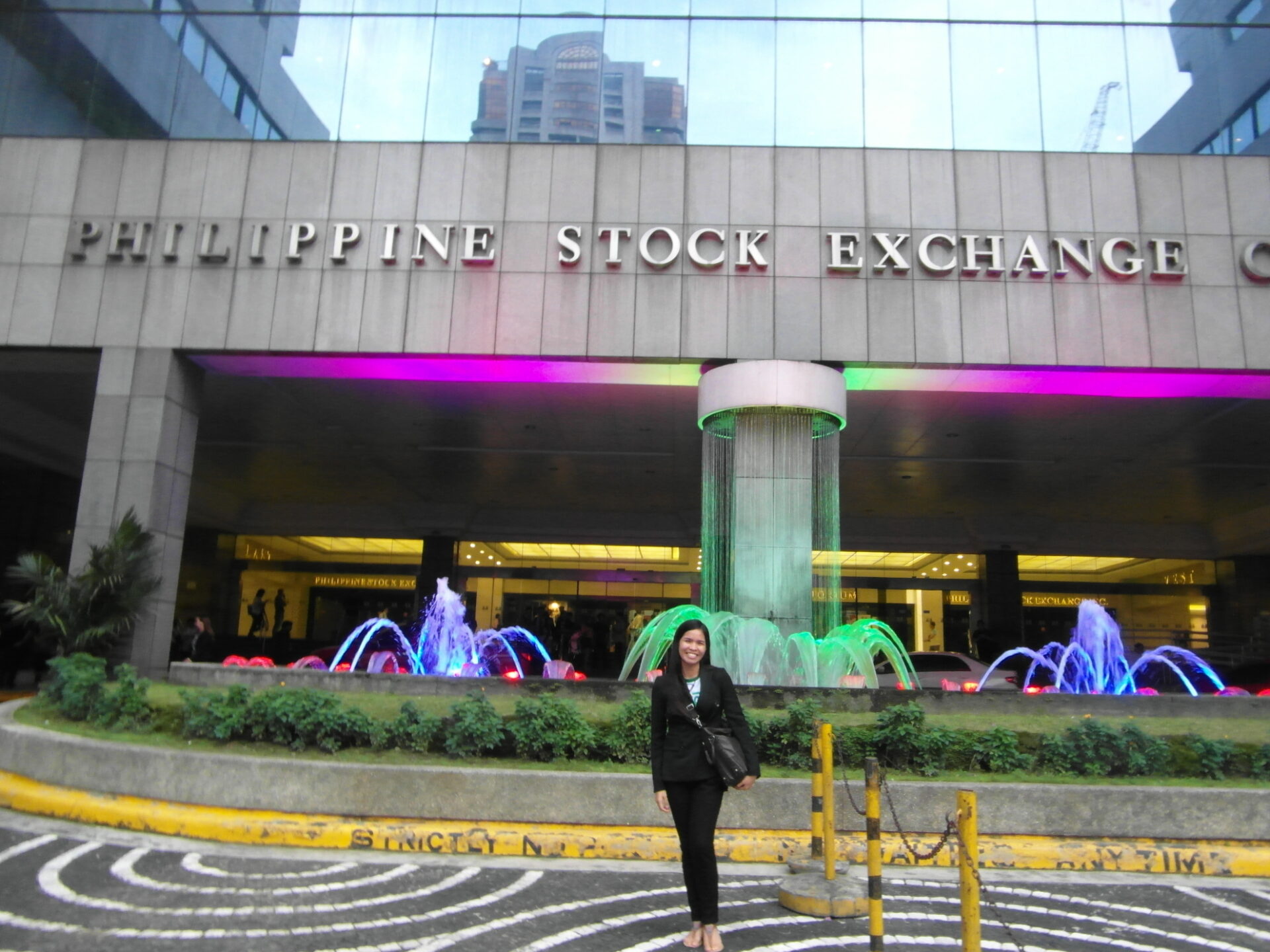
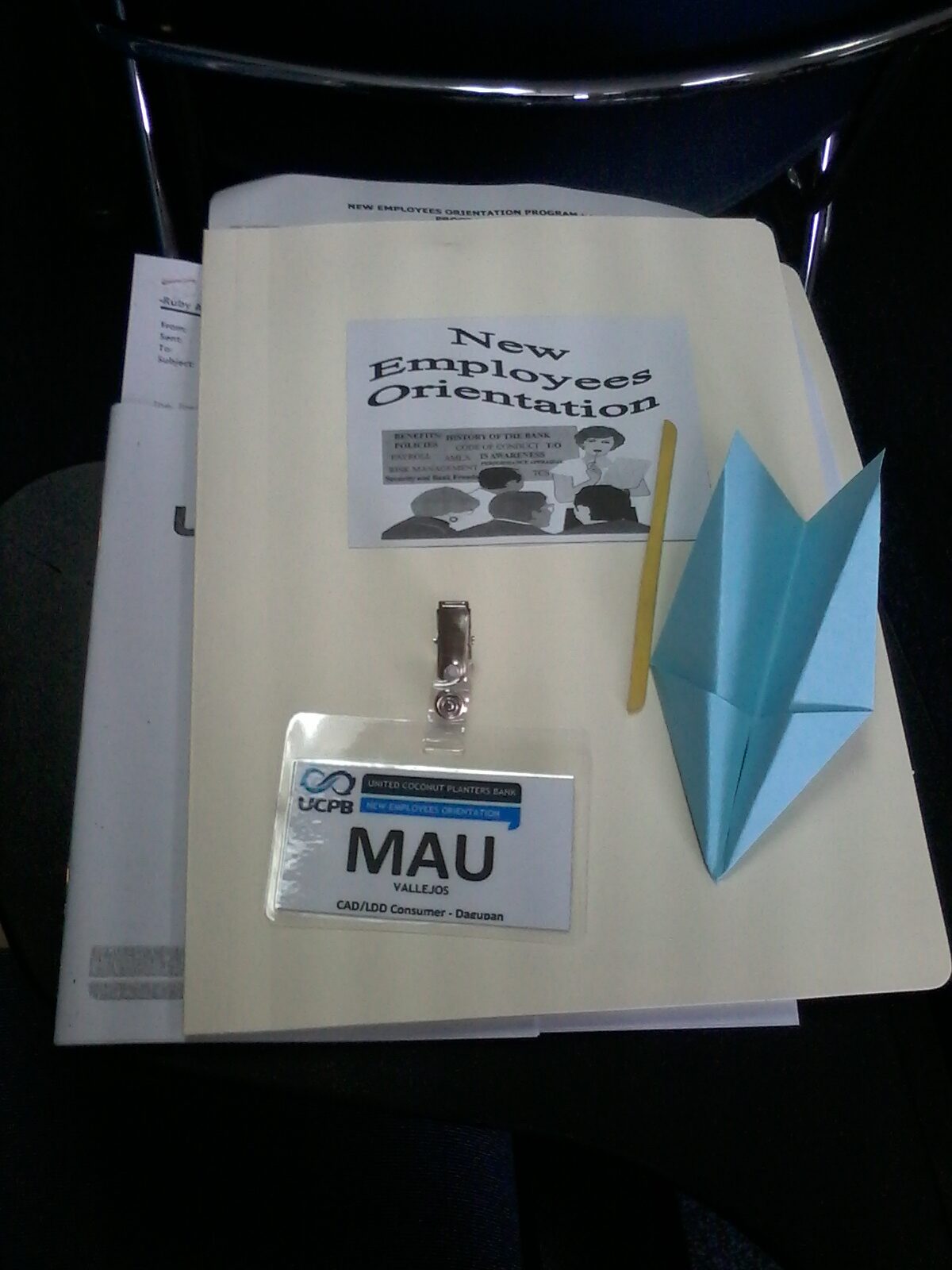
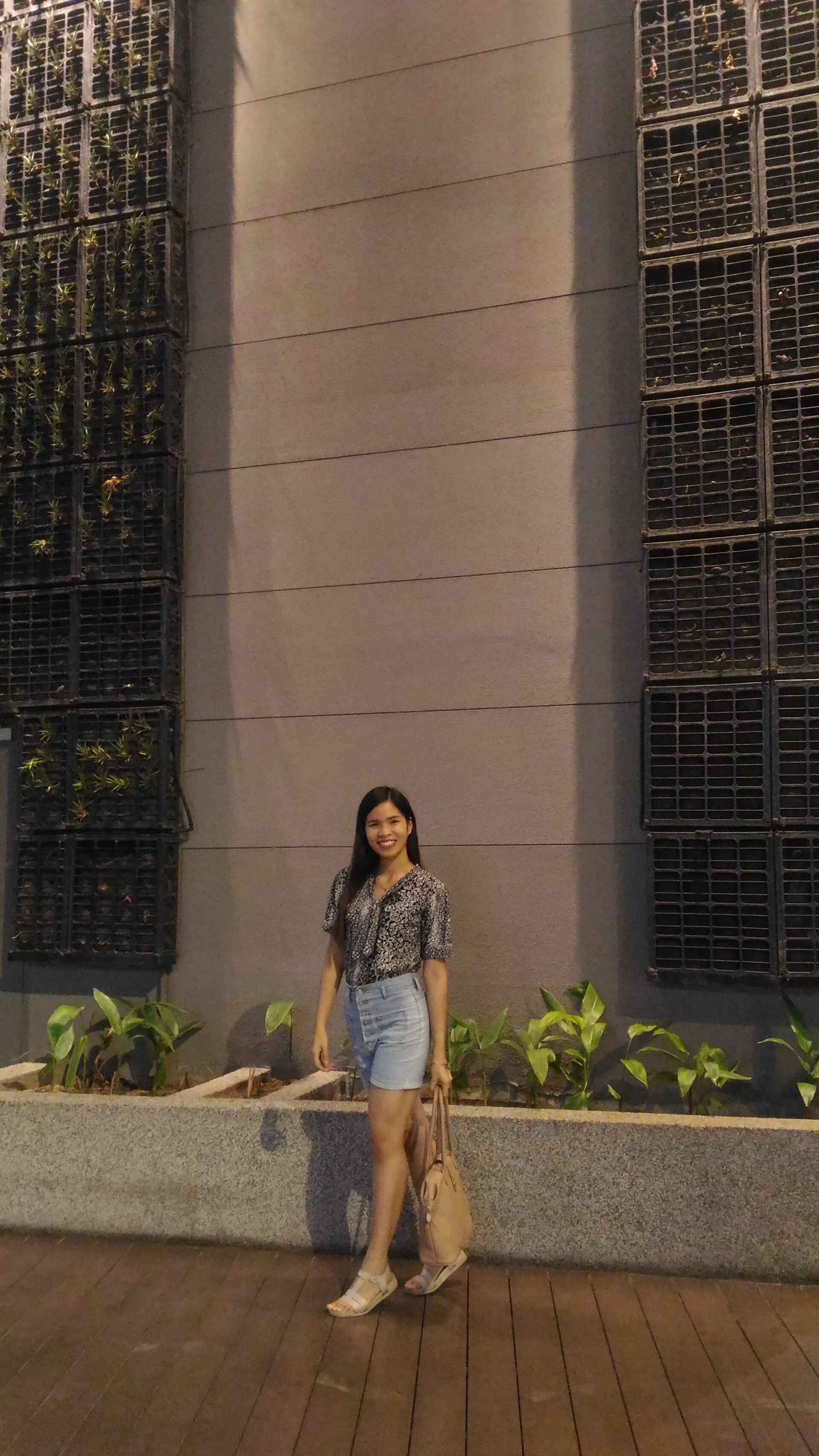
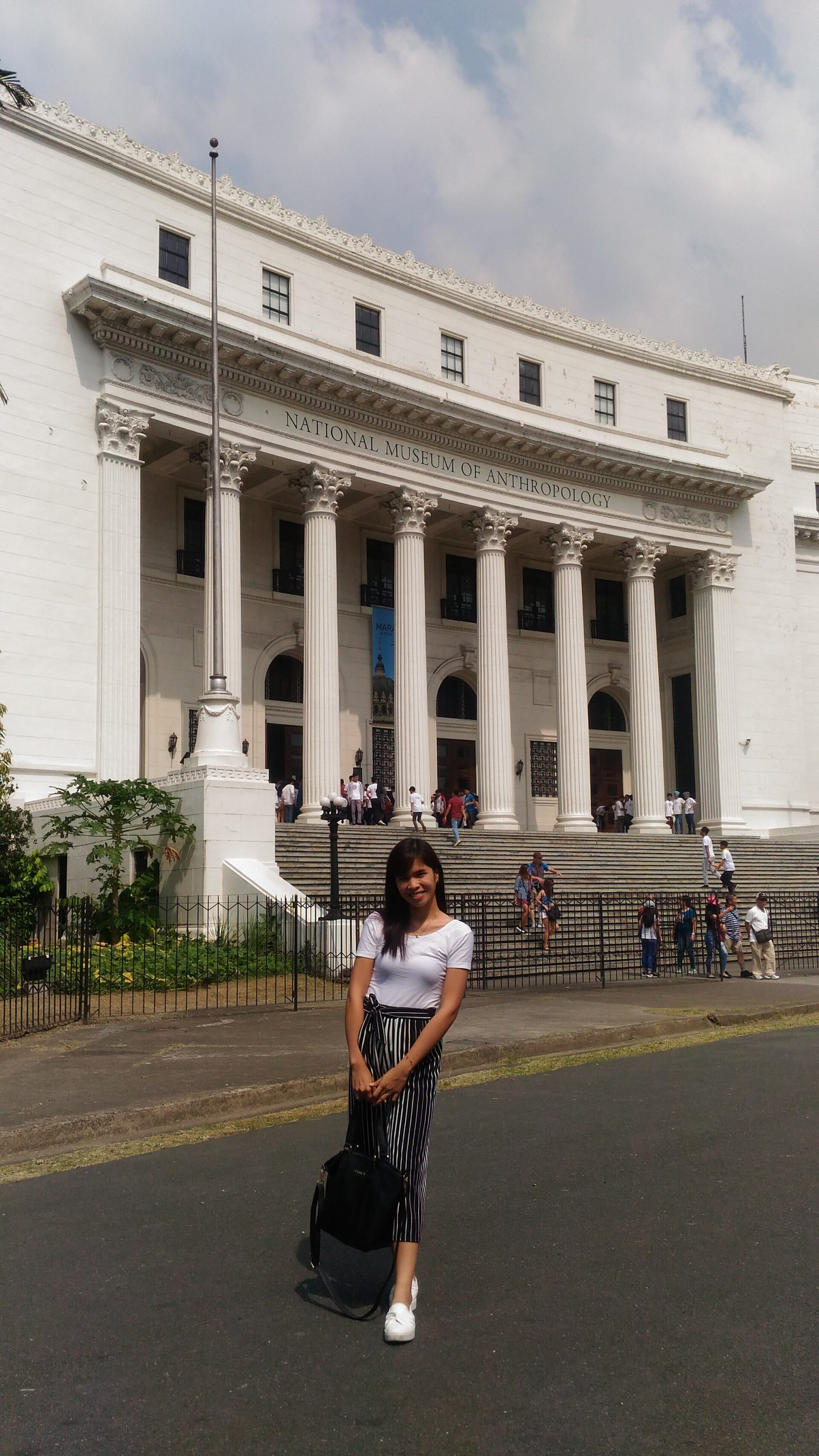

Photos of me in Metro Manila from 2015 to 2019. For 2016, I spent sitting in a new employee orientation at the company’s head office. I got caught up in the moment to even think about taking a picture. Each year is a different version of me trying to keep up with the metro.
I first visited the metropolitan area in 2015 during my senior year in college and kept coming back every year until 2019. Then, the pandemic paused everything. Then in March 2026, I returned, but this time with my husband. The city hadn’t changed much, but I had. The 20-year-old who hopped on the MRT and rode jeepneys without a second thought is now a 30-year-old who prefers comfort and a slower pace.
With that difference, it made me wonder. Is Metro Manila a city meant to be lived in or is it better experienced, appreciated, and then left behind?
What Makes the Metro Captivating?
Metro Manila is magnetic in a way that is difficult to explain unless you’ve stood in the middle of it. It is the center of everything in the Philippines. The capital, the cultural heartbeat, and the economic engine.
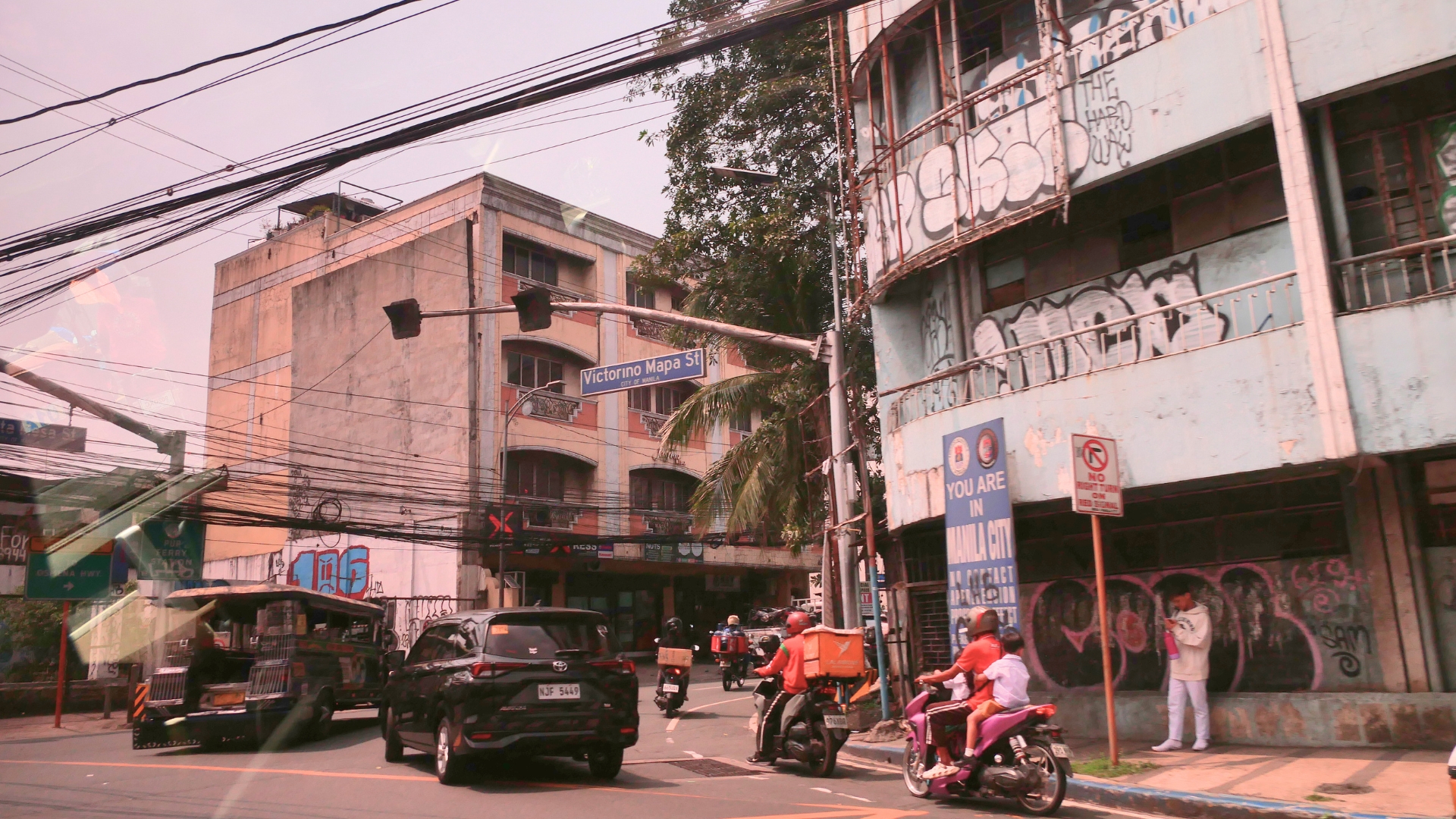
In the metropolitan area, you’ll find entertainment hubs, museums, parks, and malls so overwhelmingly large that you could spend an entire day inside just one of them.
It is where the major business districts rise and where government agencies plant their headquarters. I don’t know if anyone resonated with me, but it’s the Philippines that I grew up seeing on television. The streets, the skyline, and the landmarks that felt mythical as a kid. Also, it is where the celebrities you grew up watching actually live. It’s thrilling to finally seeing it all in person. The places that once existed only on a screen suddenly become real and walkable and tangible.
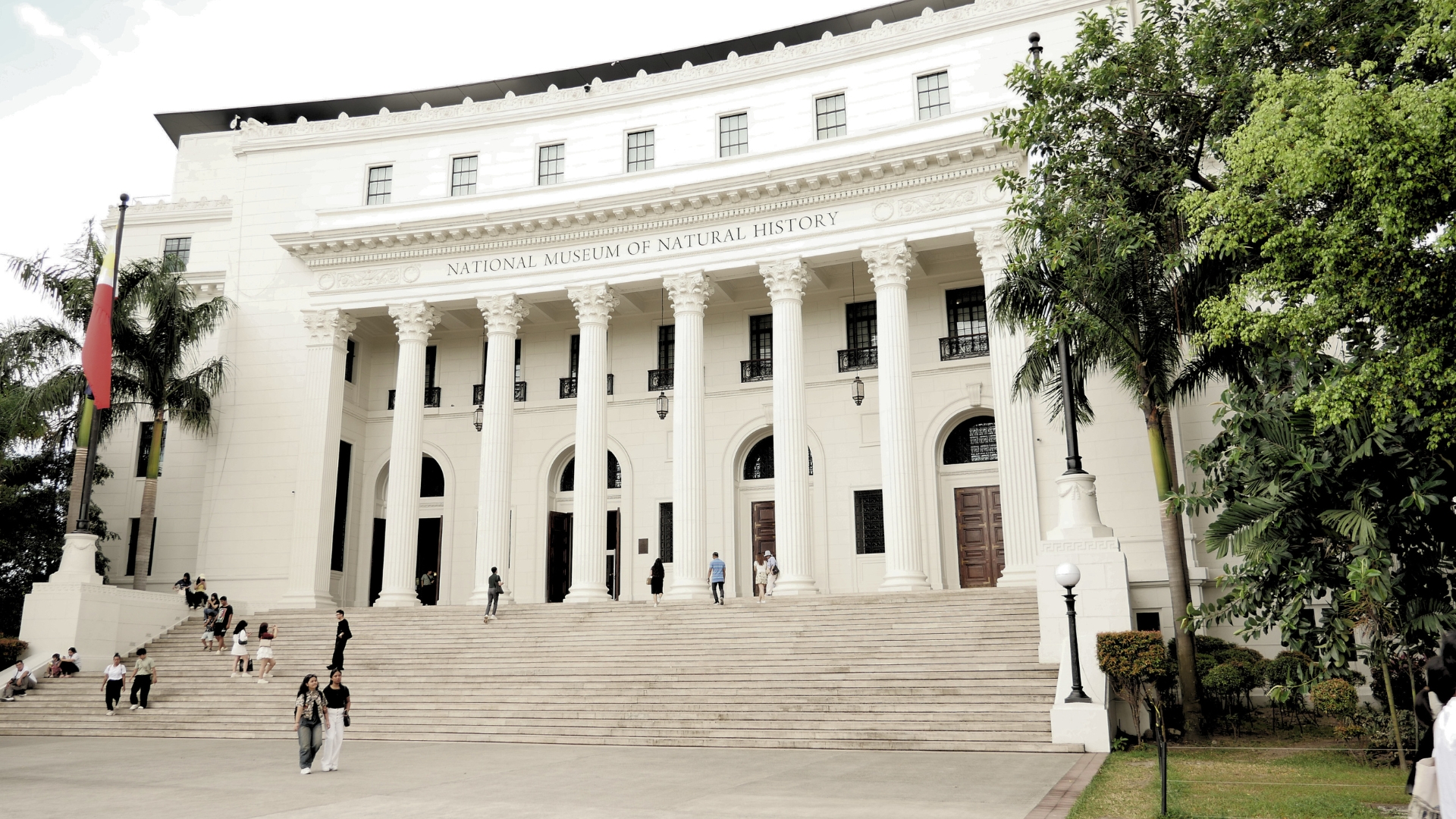
During our most recent trip, my husband and I explored some places and discovered restaurants. I’ve written about these in a different post which you can read with the link below.

That is exactly why Metro Manila deserves a spot on everyone’s travel list at least once. Not just for the sights, the food, or the sheer scale of it all, but for the feeling of finally understanding a place you’ve heard about your whole life.
The Overwhelming Reality
However, Metro Manila has a way of wearing you down slowly.
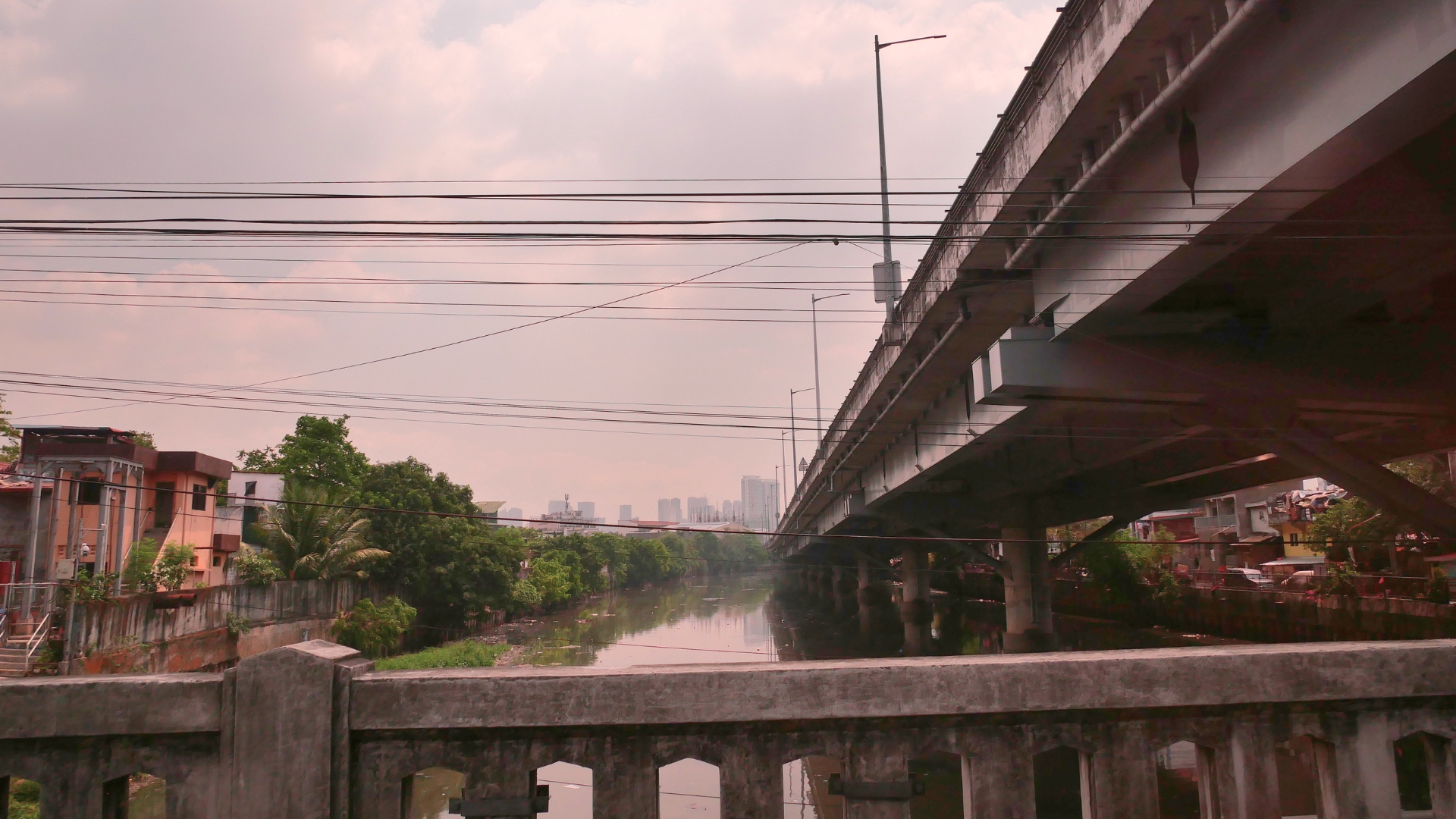
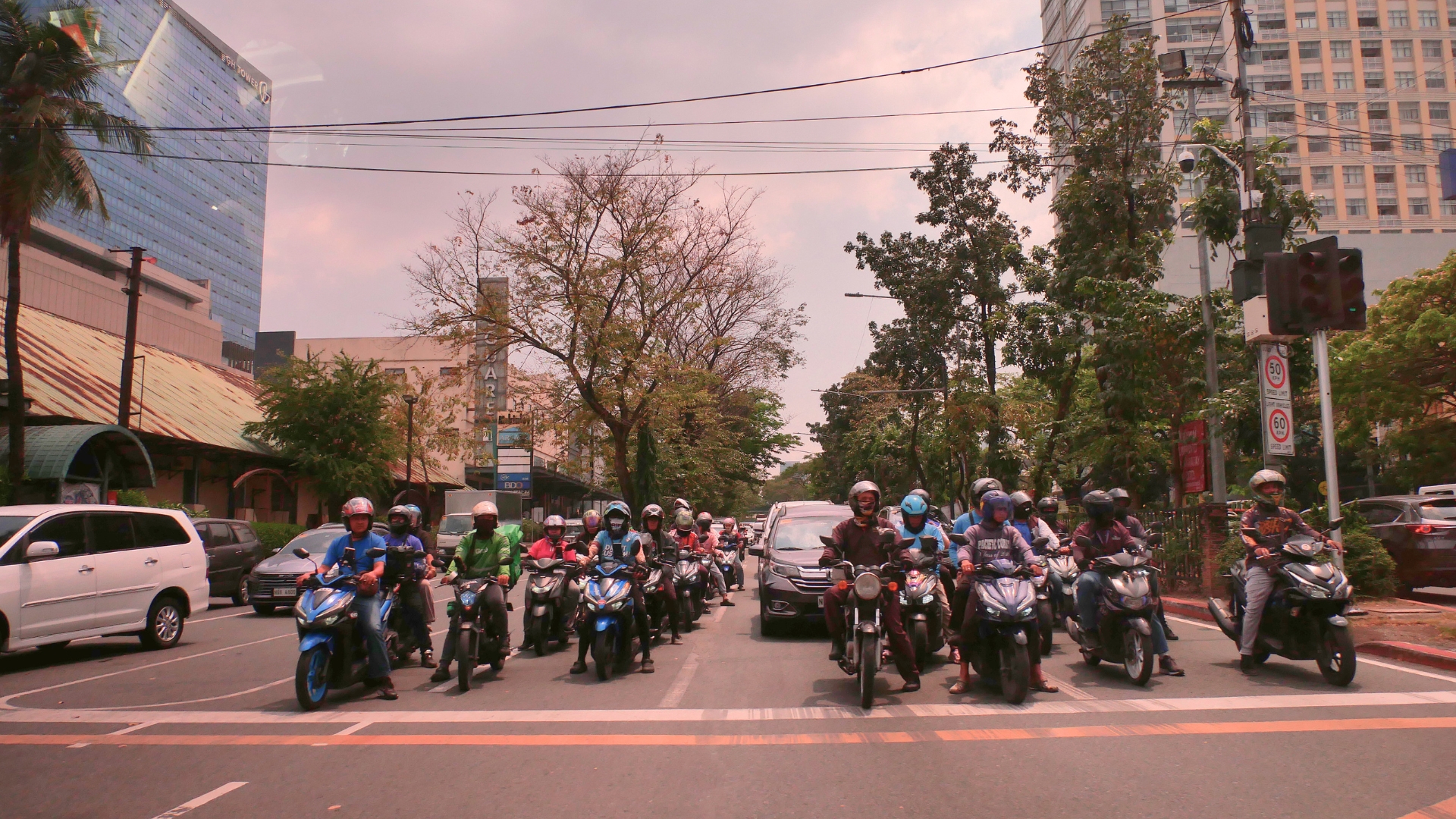
Subtly, you will start to notice the noise that doesn’t seem to have an off switch, the air that sits heavy on your skin, and the roads that are always congested no matter what time of day it is.
Concrete is everywhere, buildings stacked against buildings, flyovers layered on top of roads, and cars filling every inch of available space. Literally and figuratively, there is little room to breathe. The city was built to move fast and it expects you to keep up.
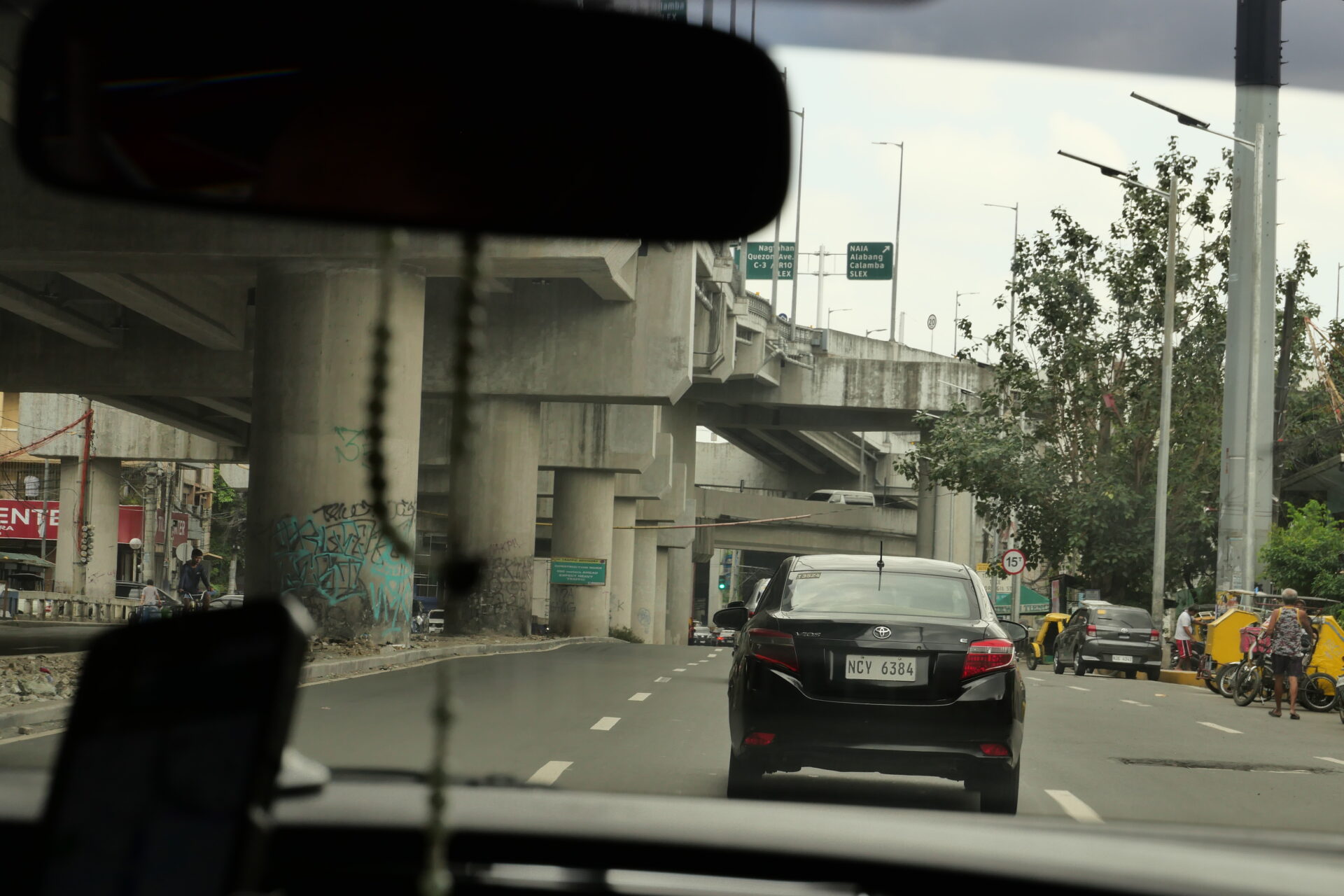
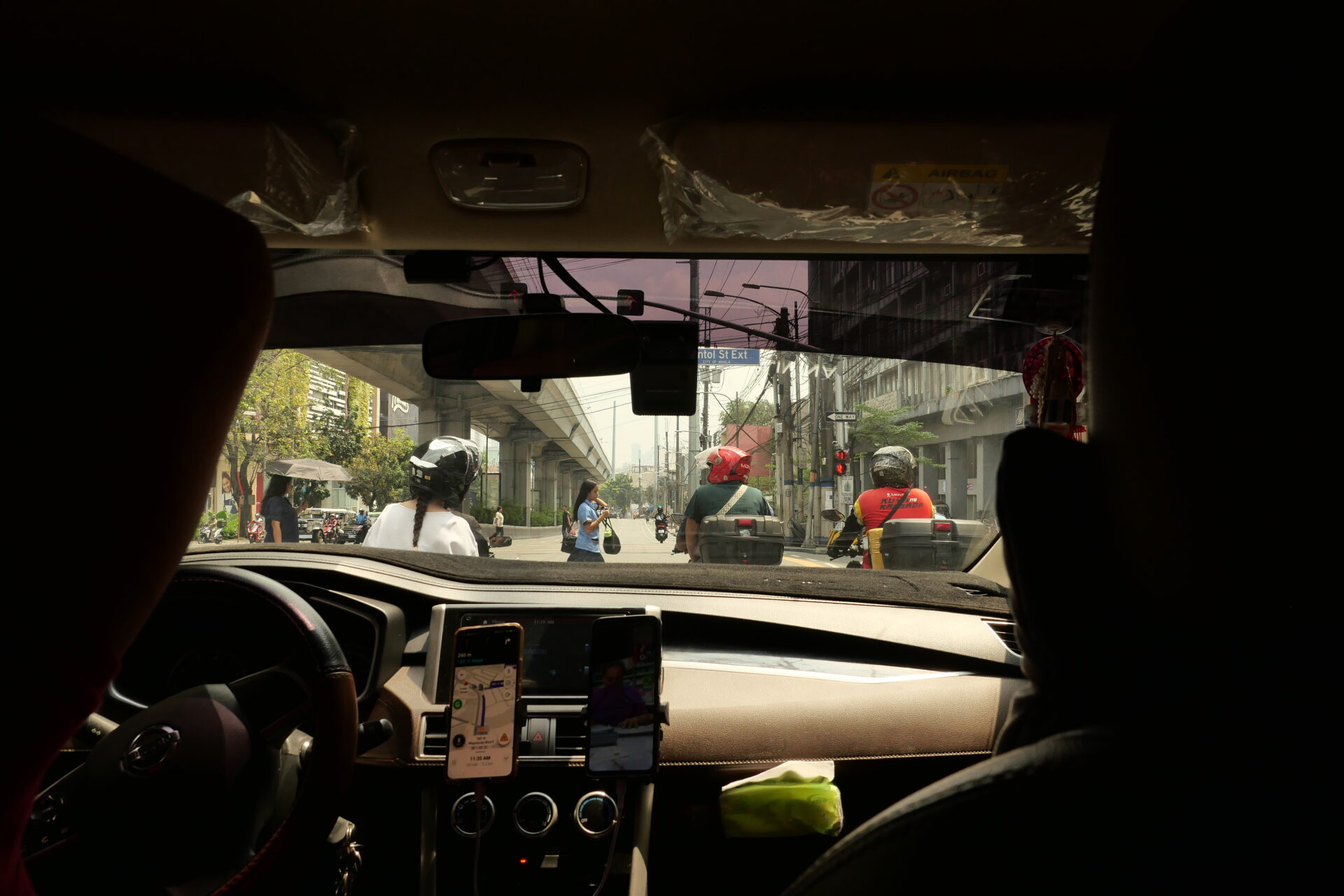
In a few days of staying there, the overstimulation begins to set in. What once felt exciting starts to feel relentless. The jeepneys, the honking, the crowd that never thins, and the sheer volume of everything happening all at once are a lot. The longer you stay, the more you somehow feel it accumulating in your body like a fatigue that sleep alone cannot fix.
This is what separates visiting Metro Manila from living in it. As a traveler, the chaos has a time limit. You can absorb it, marvel at it, and then step away. Yet, for the millions of Filipinos who wake up to this every single day, the same traffic, the same noise, the same relentless pace, it is a different story.
Metro Manila does not slow down for anyone. After a while, you start to wonder if it ever could.
My Quiet Observation
In my return to Metro Manila after 7 years, I expected change. New buildings might have been there and new roads might have been built. Yet, looking a little closer, I realized that things really haven’t moved at all.
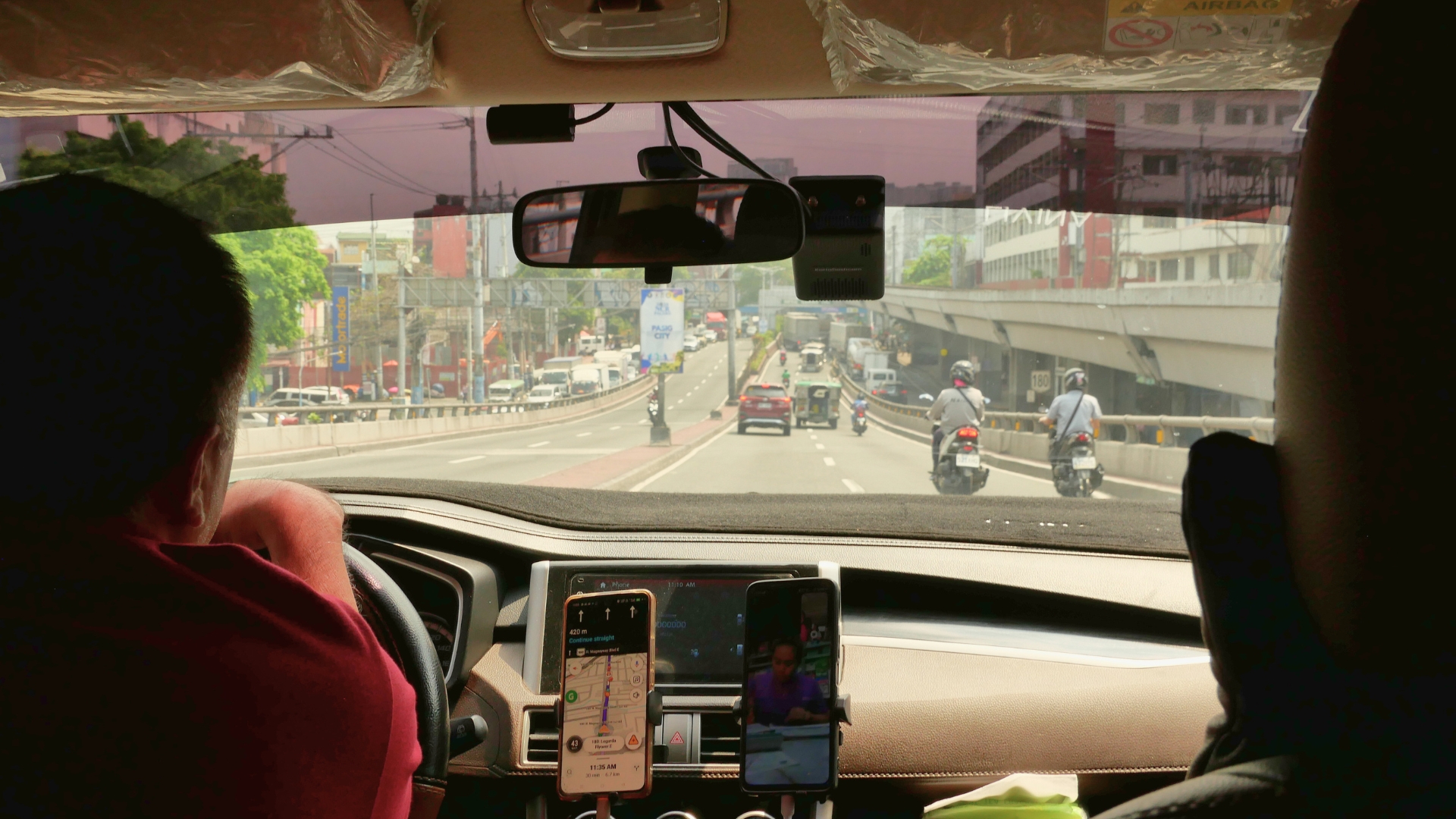
What strikes me most is not the problems themselves, but how visible they are. I remembered sitting in the back of a Grab car which is comfortable, air-conditioned, and insulated from the outside. However, the scene outside the car window told a different story.
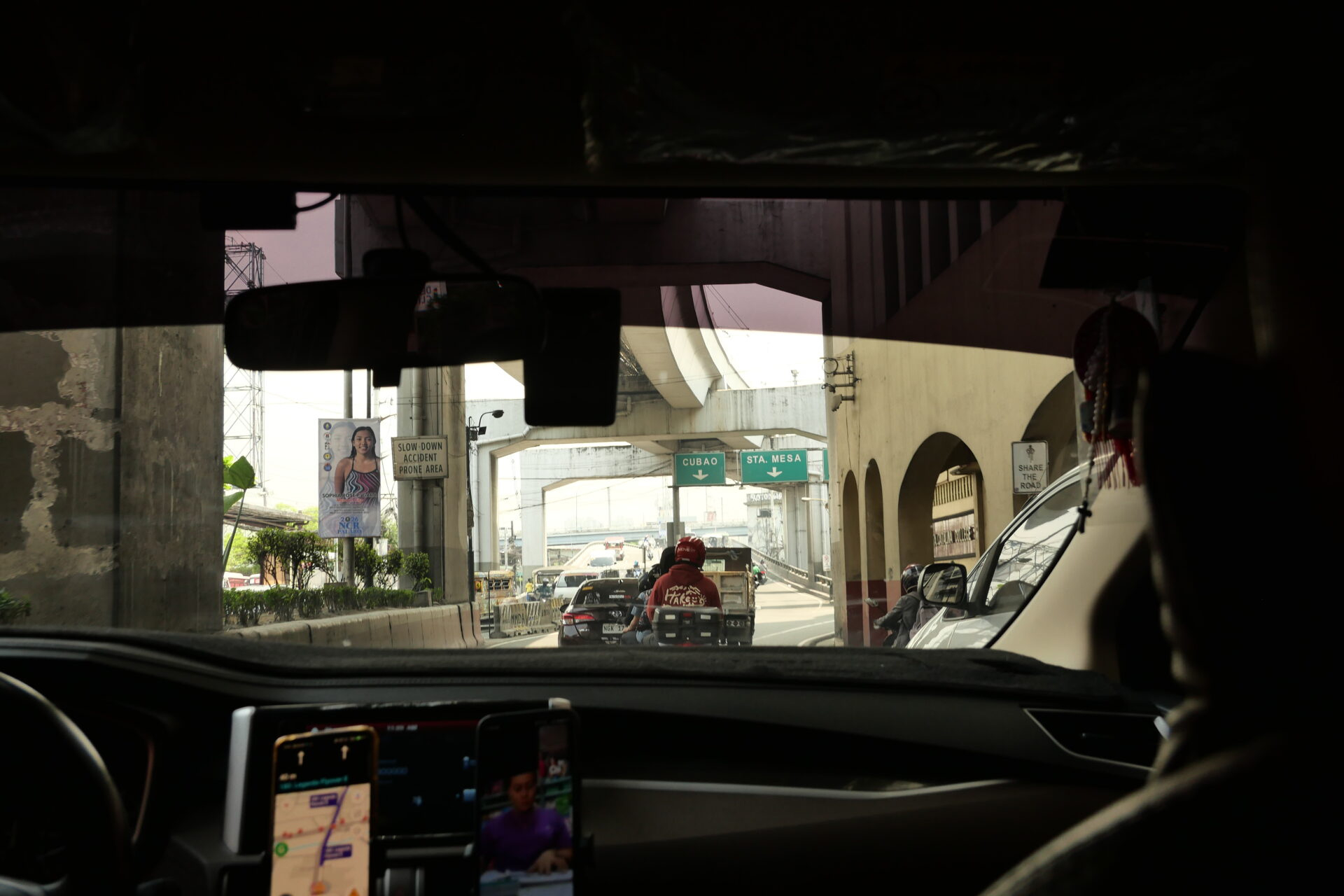
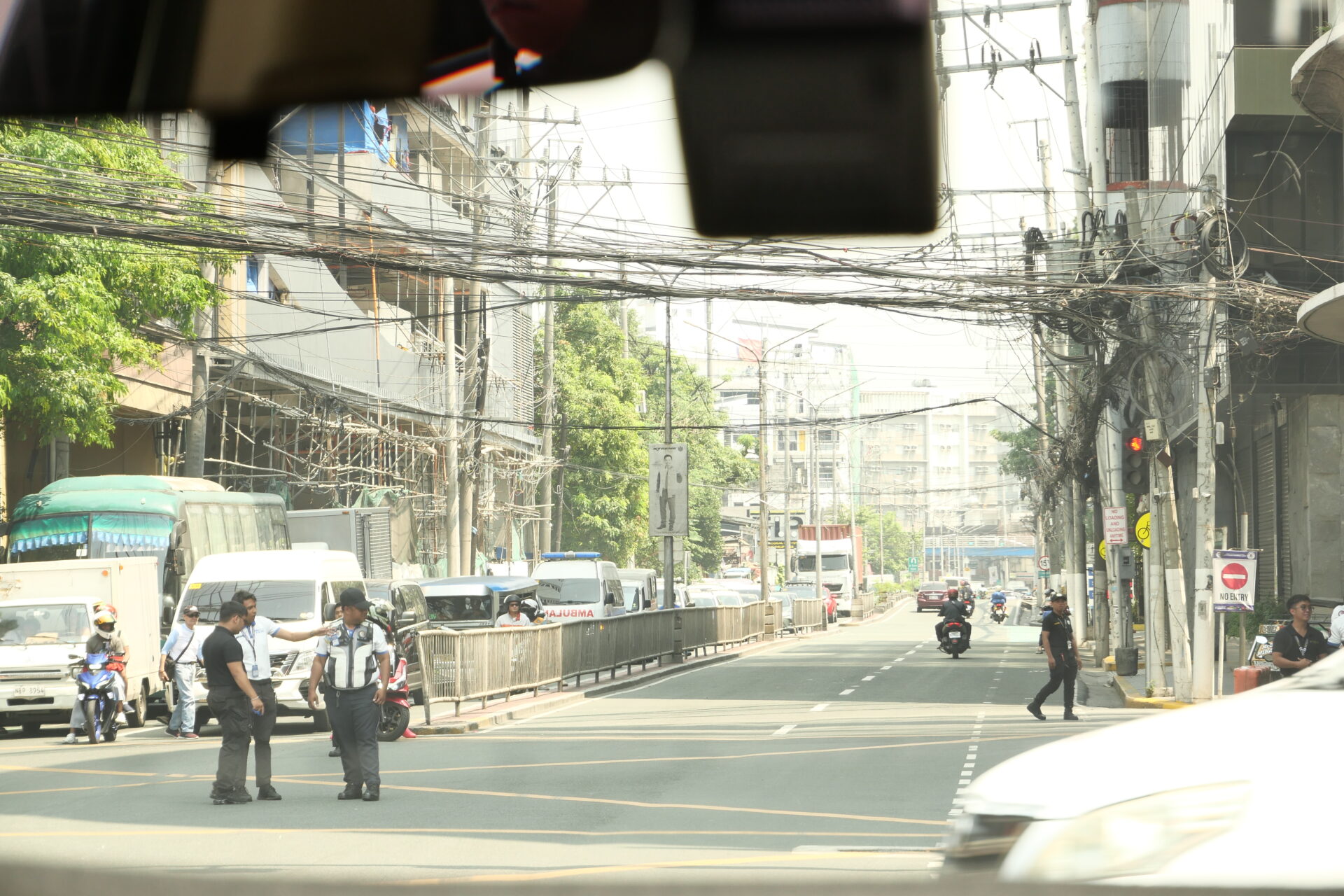
The streets and the struggling corners of the cities are all passing by in plain sight. If a visitor can notice all of this simply from the back seat of a car, you can only imagine how the people who live and breathe in these cities feel it every single day.
It is not something I say with judgment. Metro Manila carries a complicated history and an even more complicated present. Yet, there’s this feeling of sadness in watching a city with so much life and so much potential, but still wrestling with the same struggles decade after decade. I just hope that one day, the pace of change catches up with the pace of the city itself.
Comparing Metro Manila with Cagayan de Oro
My mind drifted home, not out of homesickness, but out of contrast.
Cagayan de Oro is not a small town. It has its own urban pulse like the malls, cafes, and restaurants which always remind us that it’s a growing and thriving city. The city carries that same metropolitan energy that Metro Manila does, but with a huge difference.
At a certain hour, Cagayan de Oro exhales. The traffic dissipates, the streets quiet down, and the city sleeps. There is a rhythm to it that Metro Manila, for all its greatness, simply does not seem to have.
I used to take Cagayan de Oro’s traffic for granted and even complain about it on particularly slow days. However, after sitting through Metro Manila’s roads again, I always come back with a completely different perspective. CDO traffic is manageable. Also, there are still green spaces and patches of nature that reminded me that the outside world is not entirely made of concrete.
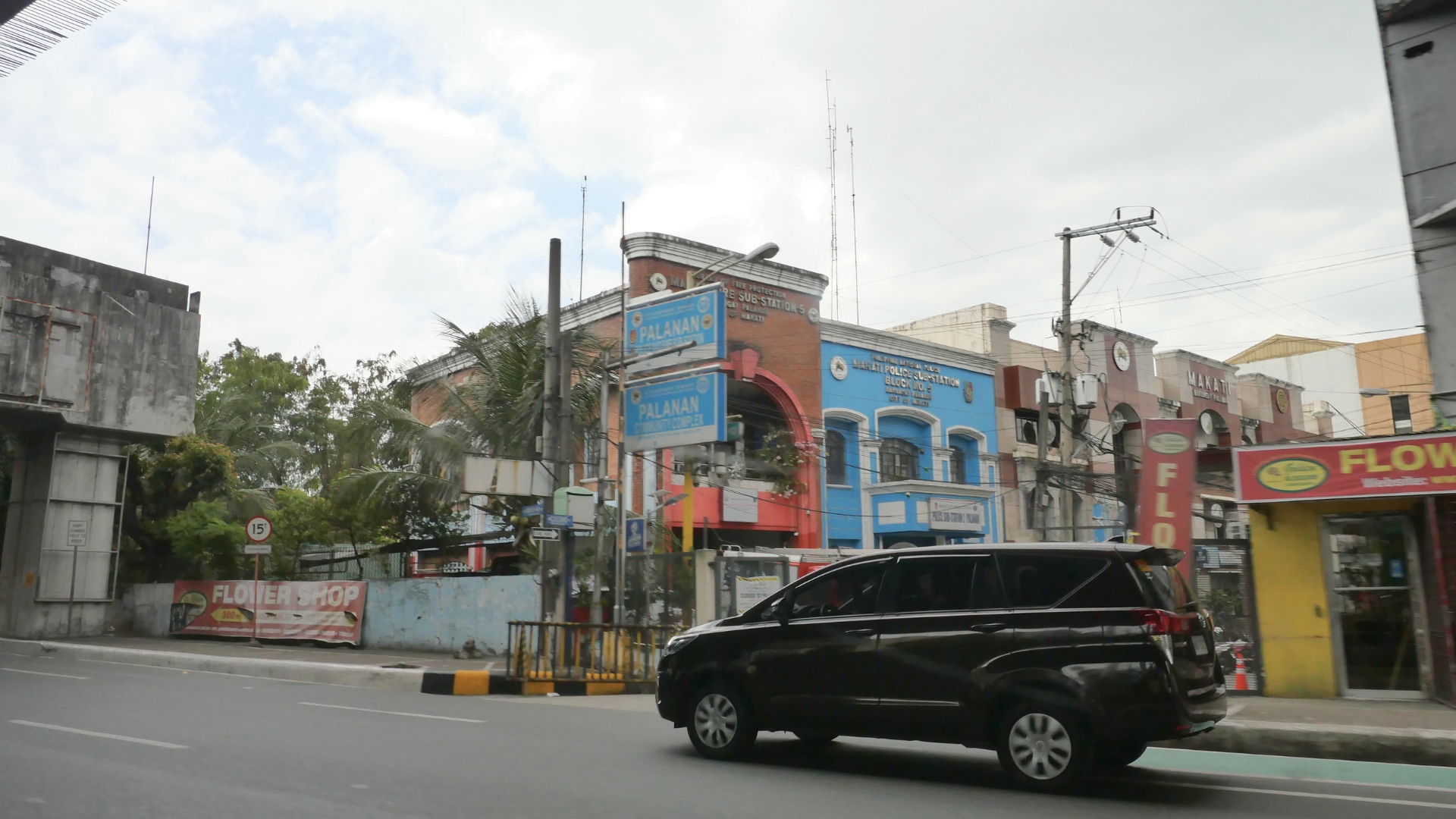
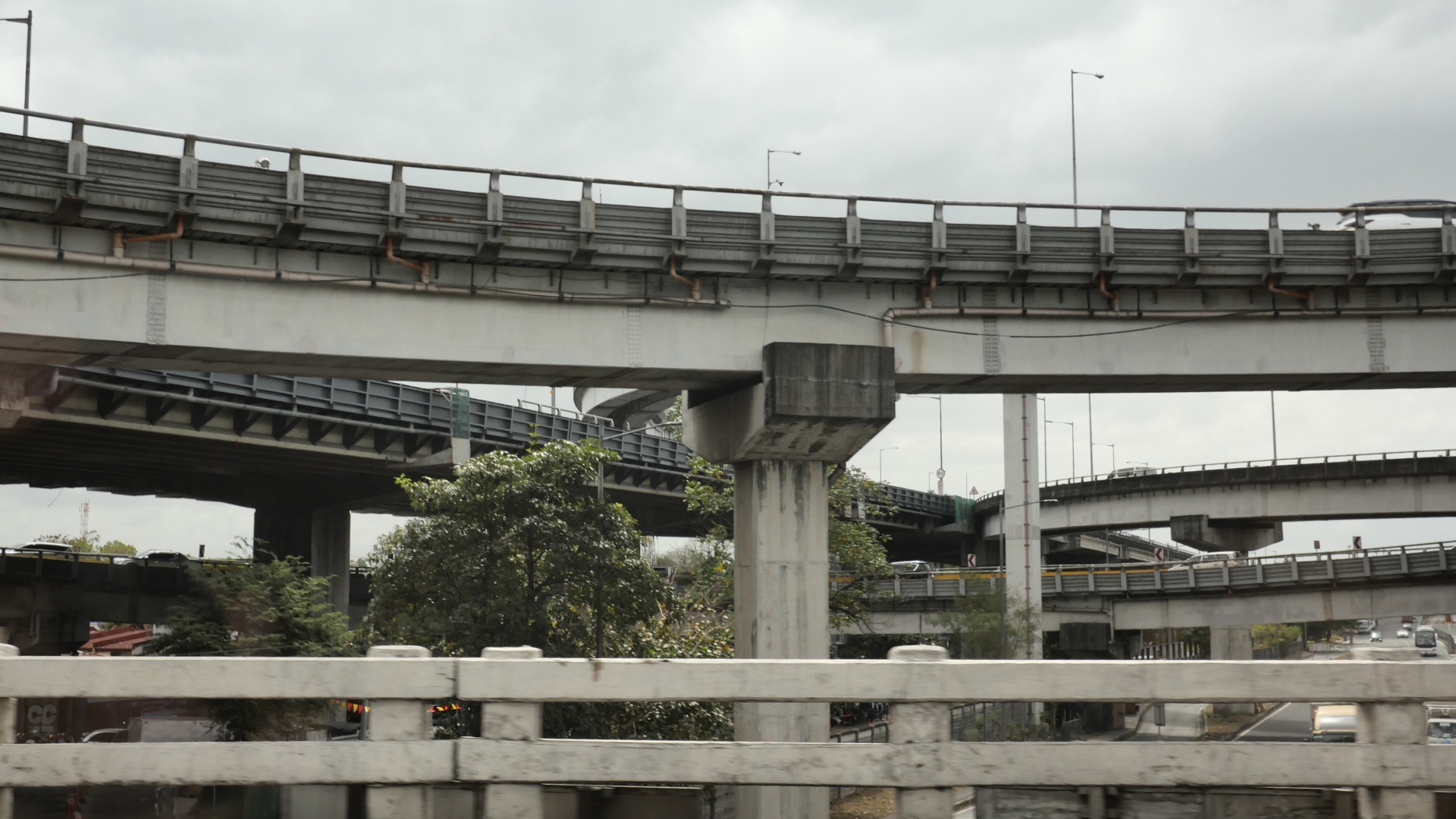
Because of Metro Manila, I realized that urban life does not have to be overwhelming. A city can have energy and ambition without consuming everyone who lives in it. It can grow without forgetting to leave room for people to breathe.
My Closing Reflection
Some places are meant to be destinations while others are meant to be a home. As for me, Metro Manila is a destination I’ll return to, but not a place I’ll stay in.
Leaving always feels like closing a book you weren’t quite finished with. There will always be another street, another meal, another restaurant, another sight, and another corner still waiting. That is Metro Manila’s magic. It never fully gives itself to you, so you never stop being curious about it.
As our ship slowly pulled away from the Port of Manila, we drifted past a cluster of ships that are docked along the Manila waters. I can just see how much this port carries on its shoulders in connecting the capital to the rest of the country. I found myself exhaling as the city grew smaller behind us. This isn’t out of relief, but out of gratitude.
Metro Manila will always be worth the visit and some places are worth far more than that.







Leave a Reply