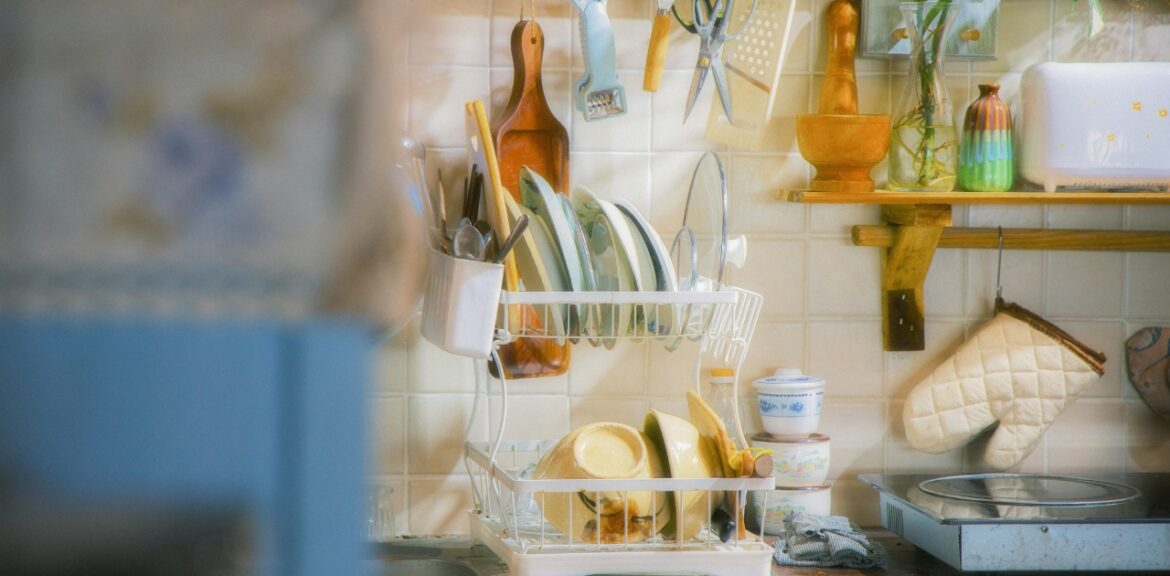
Photo by Hoài Nam
You scroll through your Facebook, Instagram, or TikTok feed. Suddenly, an item you don’t need pops up between a post or video.
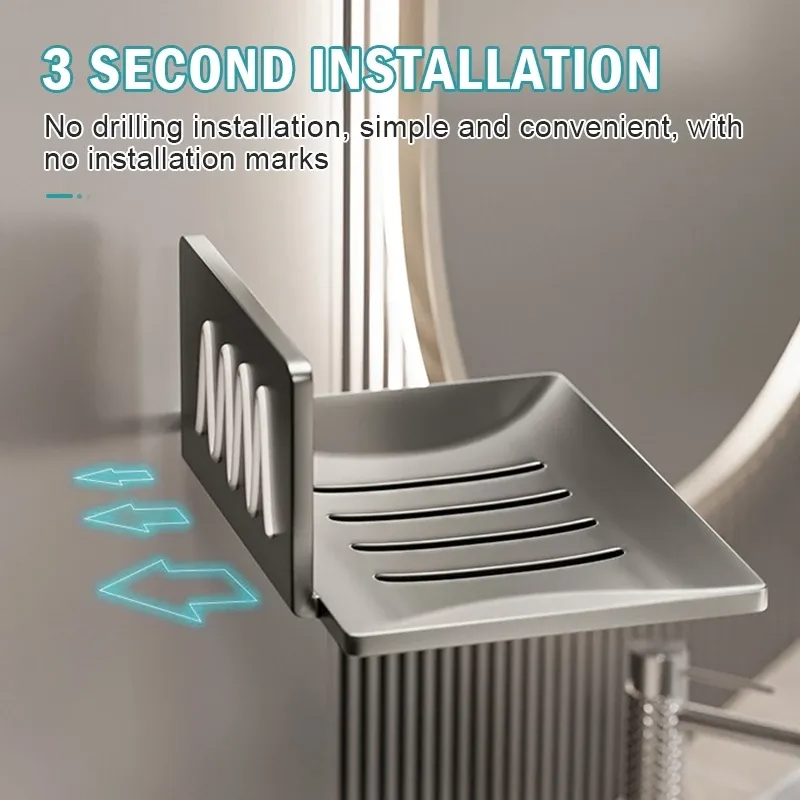
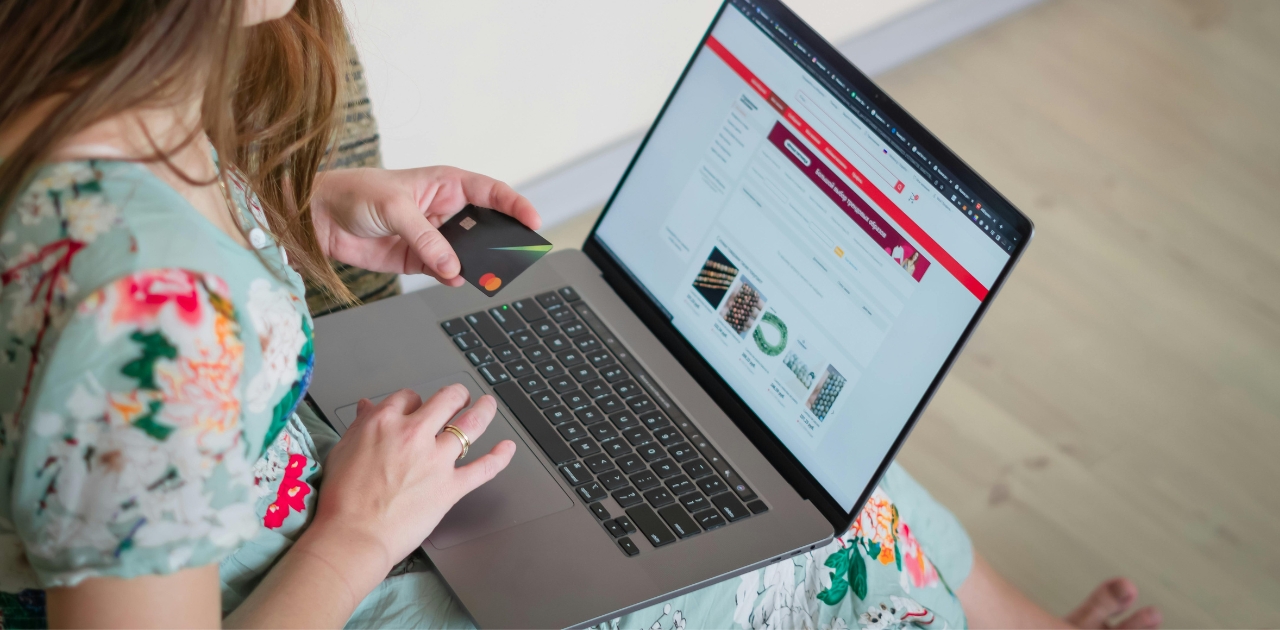
The ad might be an aluminum soap holder. There’s no drilling required. You just peel and stick it to the wall. It looked fancy, but you don’t actually need it. Yet, for a second, you thought it might be nice to try, even though you know exactly how that adhesive story ends. The link might take you to Shopee, Lazada, or a Tiktok Shop. From there, paying is the easy part. Take your pick through COD, credit card, online payment apps, or a buy now pay later scheme.
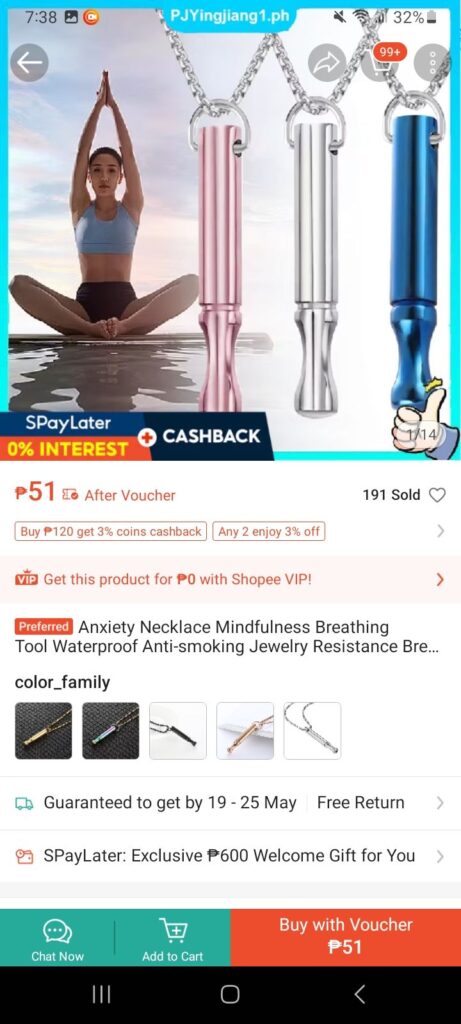
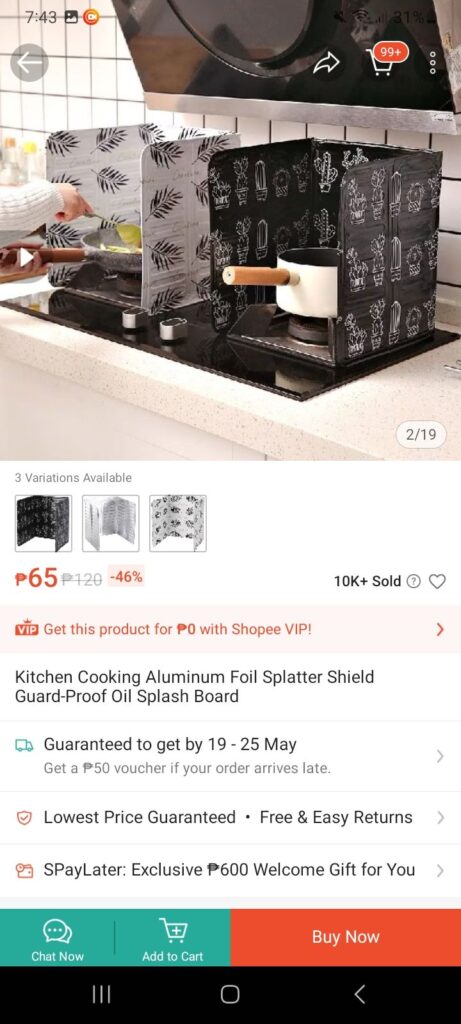
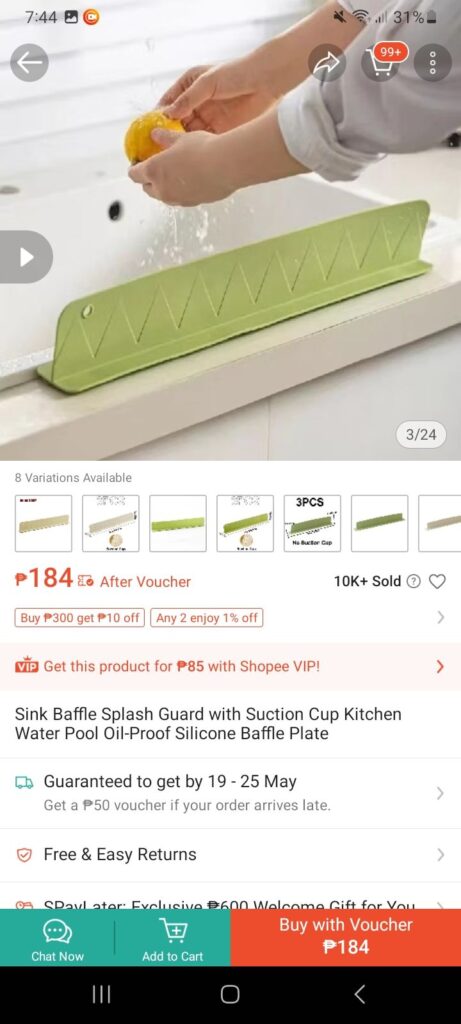
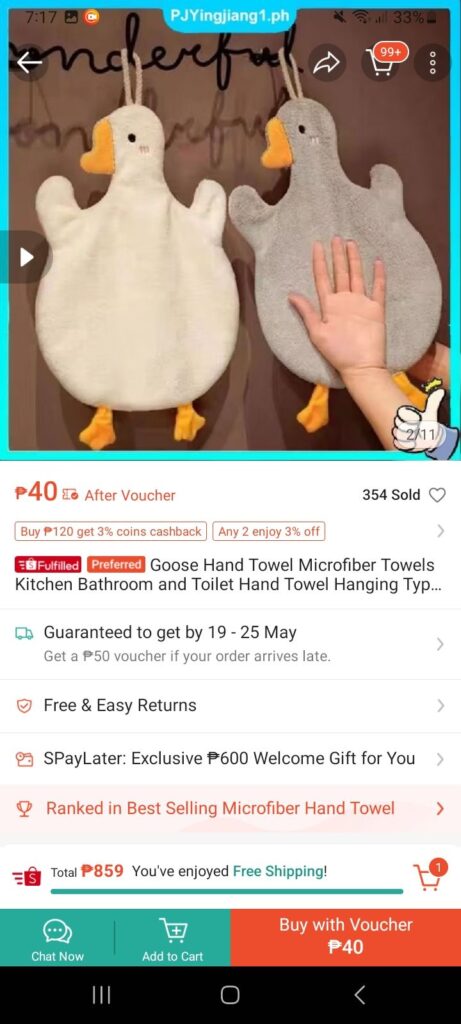
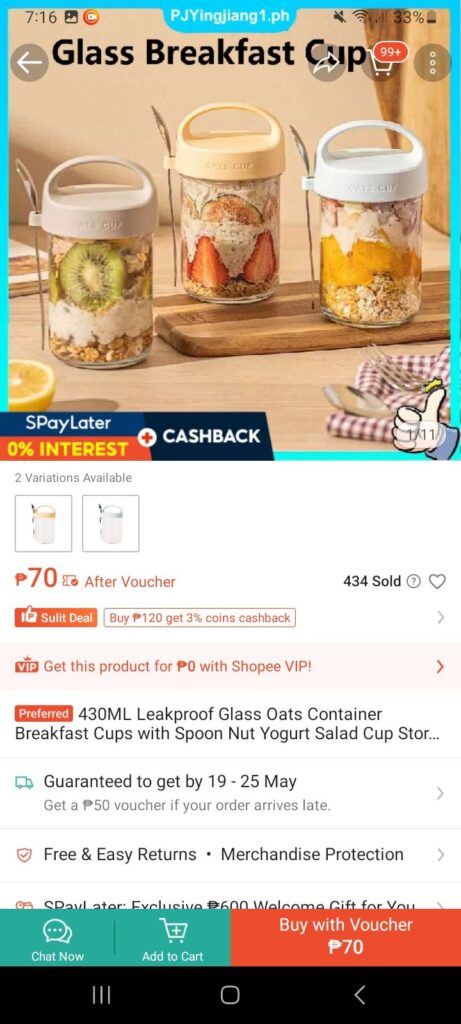
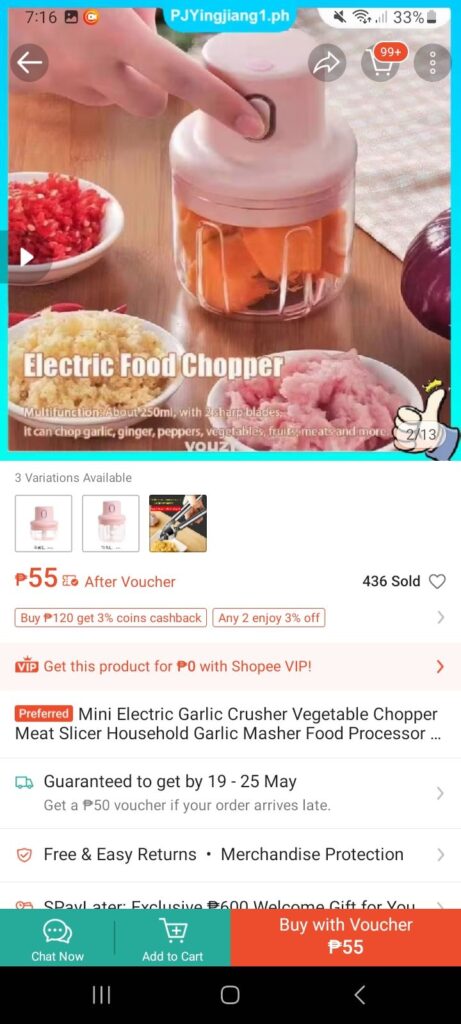
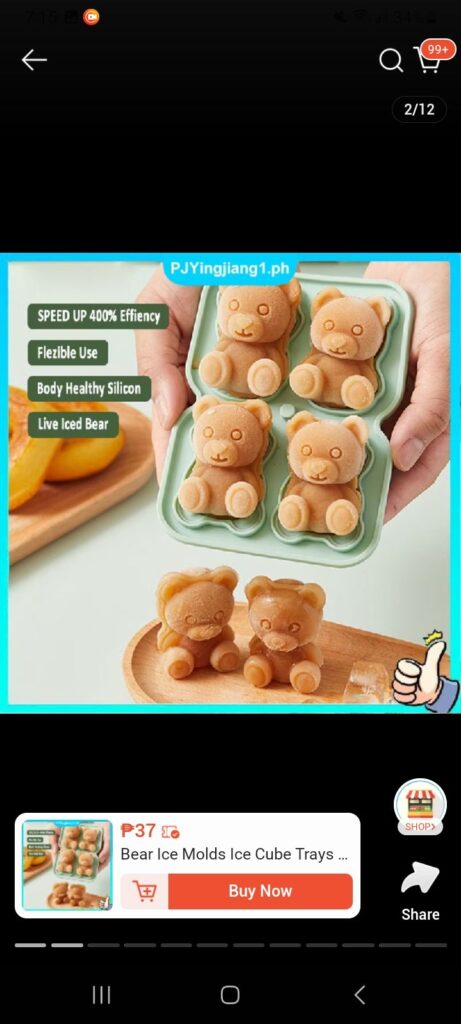
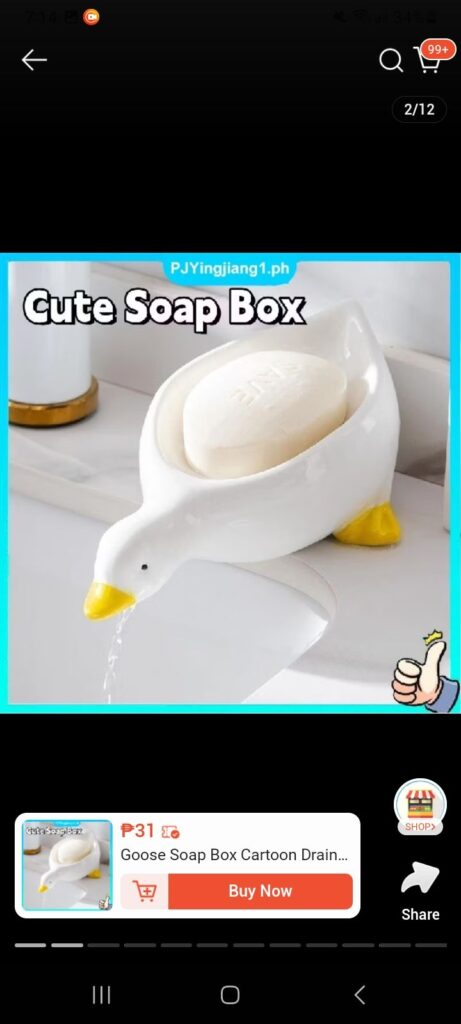
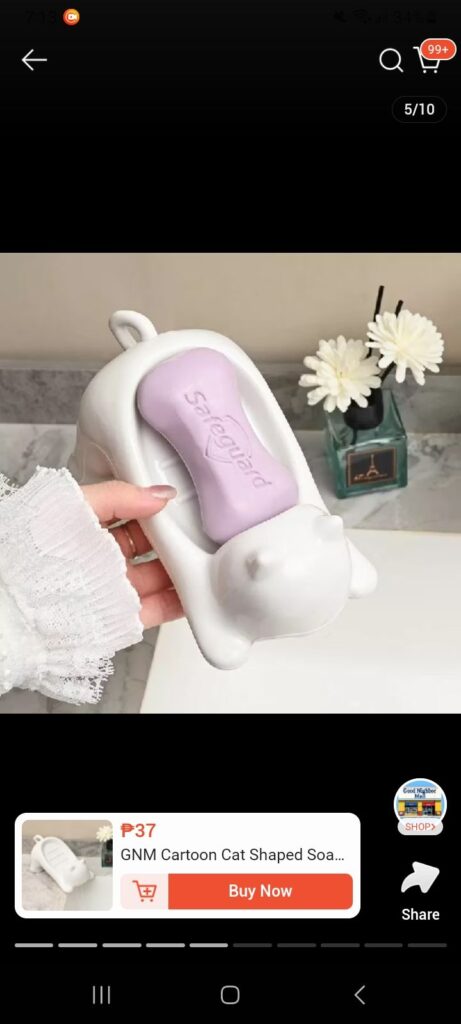
Then, the algorithm caught on and started serving you more of similar items. An anxiety necklace, though you’re unsure how that actually works. A cooking splatter shield. A sink splash guard. A glass oats container designed to make your kitchen counter look like a Pinterest board. A Php55 electric food chopper that hums beautifully in the ad but probably won’t survive the second onion. Goose-shaped hand towels. Cat-shaped soap boxes. Bear-shaped ice molds.
They’re cheap, they’re satisfying to watch, and most of them will be in a landfill before the year is out.
My feed has quietly turned into a 24/7 shopping channel for useless products. The strangest part is how normal it all feels.
Every ad looks the same
Once you start noticing, you can’t stop. These ads that are pictures and videos all look the same.
A hand reaches into the screen holding the product. Some upbeat trending sound plays in the background. The first three seconds show a problem, usually one you didn’t know you had, and then the gadget comes in to fix it. The chopper chops. The clip clips. The mold molds. Every time, it works perfectly on the first try which should already be a hint.
As I was scrolling through Shopee, this was one of the items I saw that never crossed my mind it actually existed. When I can’t open a can or lid, I usually ask for help to someone, usually a man with strong upper body build. Yet, for this item, it has solved this problem where our solution is to just ask for help.
Spend an hour on Shopee Live or TikTok Shop and the products start to look the same too.
There’s a whole bunch of silicone things shaped like the food they’re supposed to handle. A whole bunch of plastic clips, hooks, and holders that promise to organize a part of your life you didn’t know needed organizing.
A whole bunch of animal-shaped everything, because apparently a soap dispenser is better when it’s designed as a cat or a goose. Then, there’s the higher-end stuff.
The items that plug in or run on a battery, that look amazing in a fifteen-second clip but cost less than a meal and probably feel like it when they arrive.
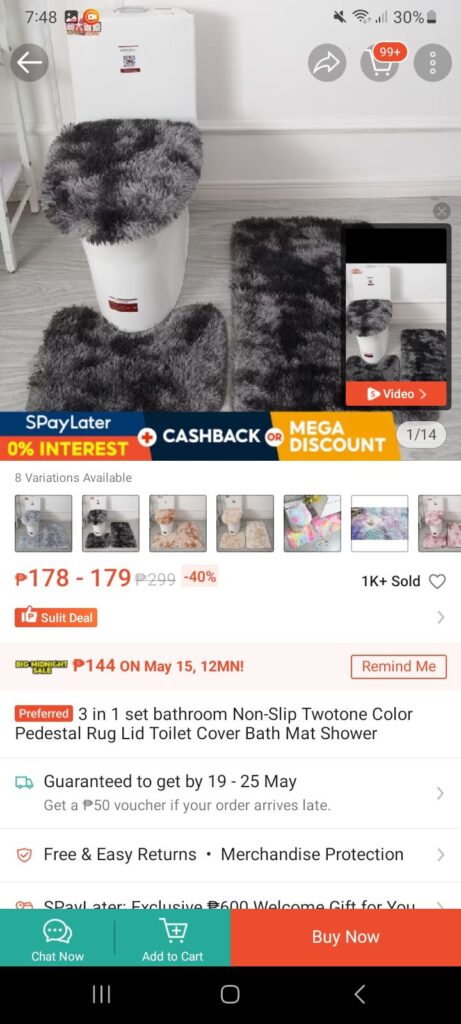
Every month, 9.9, 10.10, 11.11, 12.12 are promoted. Now, random mid-month flash sales are added just to keep the pressure on. The platforms have taught us to expect that there is a sale, a deal, and a reason to check the app one more time.
So, the buying happens in small steps and in decisions so small that they don’t really feel like decisions. It’s just a small amount plus free shipping if you add one more item and of course you do.
Social media and e-commerce platforms make money on your attention
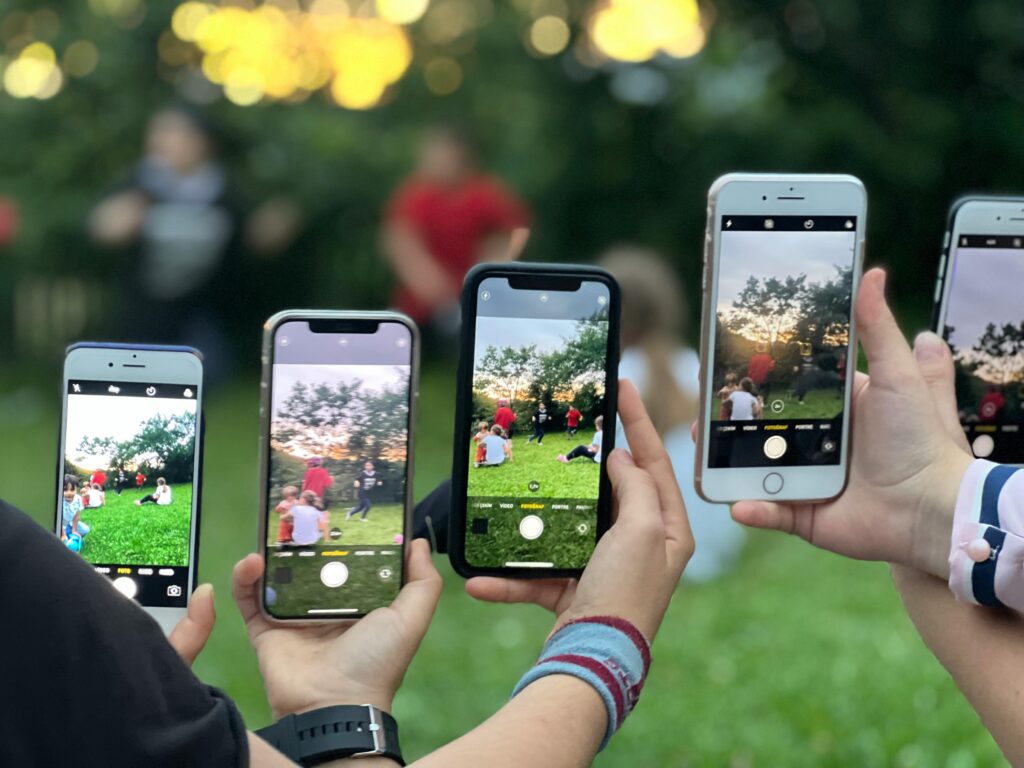
If you are not paying for the product, you are the product. It is about every minute we spend on our phones.
This is what people mean when they talk about the attention economy. In a nutshell, Facebook, Instagram, TikTok, Shopee, and Lazada do not exist to entertain you out of the goodness of their hearts. They exist to keep you scrolling for as long as possible because every minute you scroll is a minute they can show you an ad, a sponsored post, a product link, or a live selling stream. Your time and attention are what they sell. The advertisers and sellers are their actual customers.
Once you see this, a lot of things start to make sense. Why the feed is infinite. Why notifications arrive at exactly the right moments to pull you back in. Why the videos are short, satisfying, and shaped to make you watch one more. Why the algorithm gets very good at finding the products you cannot resist, even when you have never searched for them. None of this is an accident. They’re designed by some attention engineers in Silicone Valley.
As of 2026, the Philippines ranked top 11 as one of the most online countries in the world. Survey after survey puts Filipinos near the top of the list for spending 5 hours each day on social media. That is not a flattering statistic for our wallets. It just means platforms know we are a profitable audience, so they keep building features to keep us scrolling and tapping. TikTok Shop, Shopee, Lazada, and the other e-commerce platforms you know did not appear out of nowhere. They are the natural result of platforms realizing that if our eyes are already on the screen, they may as well sell us something while we are there.
The useless products are not the whole problem, but a symptom. The deeper issue is a system that profits from how much of your day it can swallow. The gadgets are just what it pulls out of its pocket once it already has your attention.
Buying cheap does not always translate as savings
Filipino culture loves a good deal.
Tipid (Being frugal) is a virtue. Madiskarte (Being resourceful) is praised. We grew up hearing mura lang naman (in Filipino) or barato (in Cebuano) as the answer to almost any purchase decision, from a pair of slippers to a kitchen gadget you’ve seen exactly once in your life.
However, these words are doing a lot of work. It answers the question of whether you need the item by replacing it with the question of how cheap the item is. As long as the price is low enough, the answer becomes yes.
The problem is that most of the time, cheap only measures the price tag. It doesn’t measure how many times you’ll buy the same item again because the first one fell apart, or how long it will sit in your drawer before you throw it out, or what it costs the planet to make and ship and dispose of it.
A Php55 chopper that breaks in 3 days is not actually cheaper than a Php1,000 chopper that lasts five years. You just paid in installments, with extra trash thrown in.
This is not me saying that online shopping is bad. Some items on these e-commerce platforms (Shopee, Lazada, and TikTok Shop) are undeniably cheaper than the same item in a physical store. I have found things online that I use almost daily and that have lasted me years.
The point is not to stop buying. The point is to pause long enough to ask yourself these questions before you tap add to cart.
Do you actually need it, or did you just see it?
If you need it, is this the version that will last, or just the version that showed up on your feed first?
Are the reviews real, or are they bots agreeing with each other in unnatural English that’s translated from Chinese or in full Filipino language?
Will you still use it next month, or is it a problem you are inventing to justify the purchase?
I agree that some gadgets really do save time, especially if you have a business or a household that needs that one specific tool. A food chopper makes sense for someone who chops for a living. It makes a lot less sense for someone who eats out four nights a week and is buying it because it looked satisfying in a fifteen-second clip.
The people you trust are also selling

The product video that appears in your feed isn’t always coming from a random seller. It’s coming from someone you might’ve followed for years. An actress, a lifestyle blogger, or a noontime TV host. Somehow, they are all in the same business model now.
Most of them are using something called affiliate marketing. In a nutshell, they share a link to a product. Then, every time someone buys through that link, they get a small cut or commission of the sale. Sometimes, the brand pays a flat fee on top. The more people watch and buy, the more they earn. So, that “I swear by this” or “I’m obsessed” caption isn’t always a recommendation in the way we used to understand recommendations. It is also a sales pitch with a tracking code attached.
Affiliate links are not inherently a problem. Plenty of content creators I respect use them to share products that genuinely work and deliver results. I have used them myself when I genuinely love a book or tool that I want to share.
The problem is when the link becomes the whole point. When someone you trust starts posting a new must-have on a daily basis, when every caption ends with “comment LINK below,” when the same celebrity is suddenly an expert on slimming teas, kitchen gadgets, parasite cleanses, and jewelries within a short span of time, the recommendations stop meaning what they used to mean.
The harder thing to sit with is that some of these products do not actually do what they claim. Slimming tea that promises results no tea can deliver. Skincare that uses a celebrity’s face but does not list its actual ingredients. Wellness gadgets backed by scientific research that no one can find. The endorsement carries the weight, but not the product. Yet, just because the face is familiar, we tend to skip the part where we would normally pause and use our critical thinking skills.
I am not saying don’t watch your favorite celebrity’s content. I am saying that the beautiful face and the affiliate link can sit on the same post. It helps to remember that before you tap add to cart.
Where these products always end up
Here is the part the product videos never show. After you have used the gadget twice, you put it in a drawer, forget about it, and then finally toss it during a clean-up, where does it actually go?
It goes into your garbage bin. Then, it goes into a sack on a truck. Then, it goes into the hands of someone you do not know. Then it goes into a landfill. Then, it stays there.
I don’t about you, but in my perspective, I think about this more than most people because I have seen it. When I was in college, as part of our philosophy class requirement, our group did an immersion in places we would not normally go which is the old Zayas landfill here in Cagayan de Oro City. I will not pretend I can describe everything I saw that day. What stayed with me was the smell, the heat, and the families living and working there, sorting through other people’s trash for things to sell, eat, or use. Some of them were children. The things in those piles were not abstract objects. They were ours. The items were sent there by us.
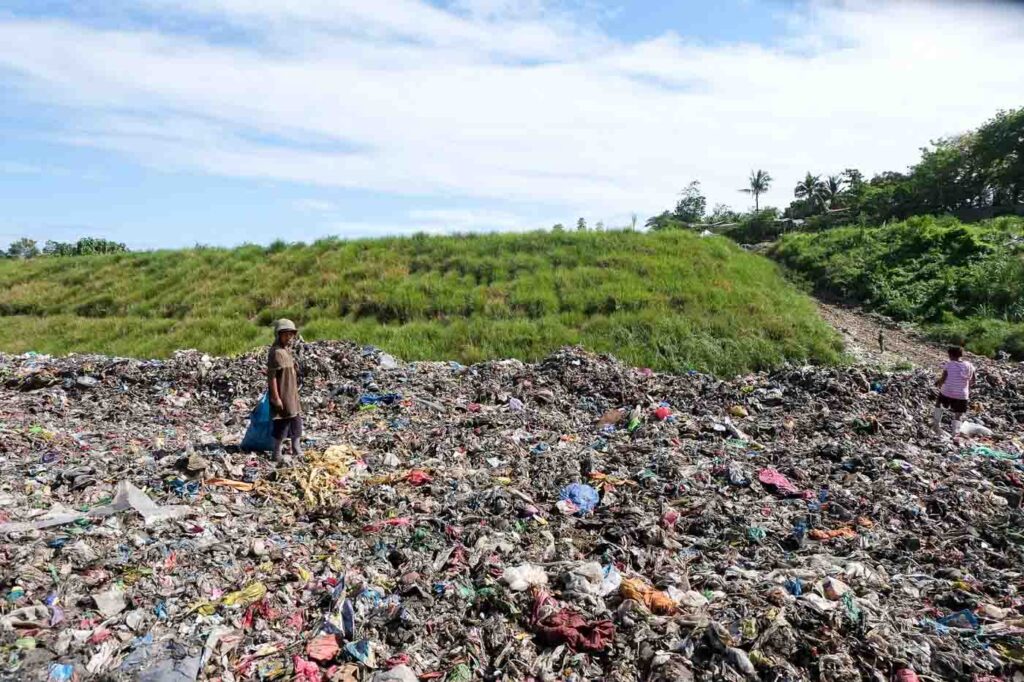
So, when I see a Php55 chopper or a goose-shaped soap box, I do not just think about the buyer. I think about that landfill. I think about the garbage collector who lifts the black garbage bag onto the truck. I think about the people who will eventually pick up the broken pieces of whatever is inside. I think about the cuts on their hands from cheap plastic and rusted metal and the items in those piles that are toxic, but get handled anyway because that is the work that ended up at the bottom of the chain.
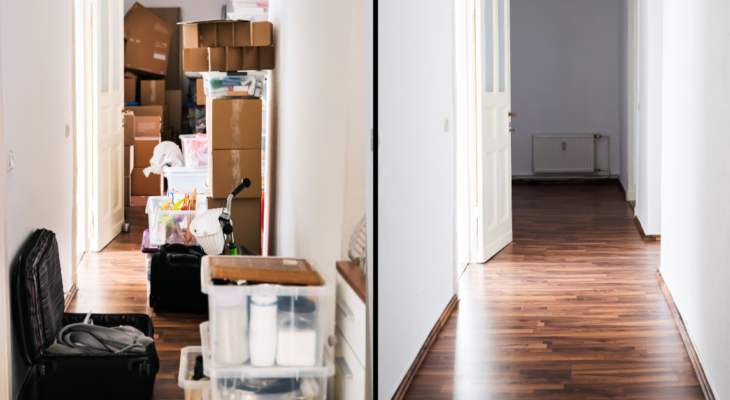
You and I do not have to fix this entire system to begin caring about it. We do not have to live waste-free or feel guilty every time we buy something we need. Yet, we can stop pretending that throwing it away actually means away. That away is somewhere and someone. The thing we tossed in the bin is now in another person’s day.
What I am learning to want
I used to be a heavy consumerist. The past decade has been a slow lesson in unlearning that. There was a time when a fifteen-second video would have ended with a package at the office 5 days later, and another after that, and another. I bought because I could, the price was small, and the algorithm told me to.
The shift did not come from a sudden decision. It came from asking questions, Did I actually see this problem in my life before the video appeared? Did I want this thing yesterday? Will I still want it next month. Most of the time, the answer was no. Most of the time, the video had invented the problem and the solution in the same fifteen seconds and offered me both.
After enough of these small pauses, the wanting itself began to fade. These days I can scroll through Facebook and Shopee and find the gadgets interesting in the way you find something interesting in a museum. I can even appreciate the cleverness of the marketing. I just no longer feel the pull. I have learned the hard way which of these items last and which fall apart in a week and which adds value to my life and which only adds to the drawer and the landfill.
I still buy things. It’s just that I buy intentionally now and the home I come back to feels enough.


Leave a Reply