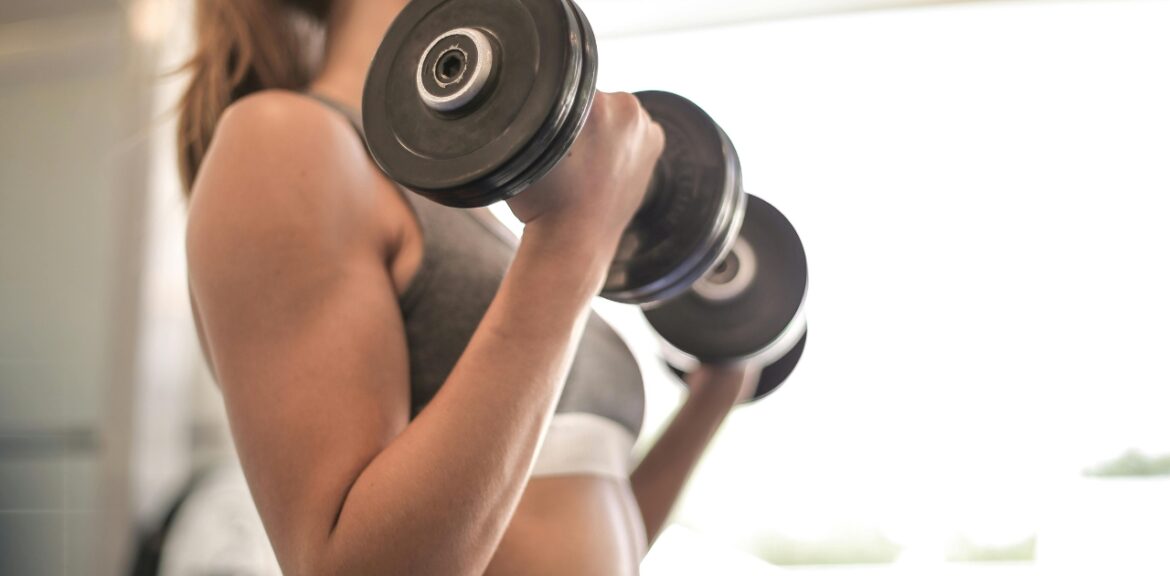
Photo by Andrea Piacquadio
I have been active for as long as I can remember. I started running in college and when I entered the workforce in my 20s, I added gym sessions to my routine and joined fun runs which is always at the 10-kilometer distance. In 2019, I started yoga and even the pandemic did not slow me down. I kept on moving my body.
Looking back, it was a blessing I never got injured from all that running in my teens and 20s. I was overexercising, hiking mountains, undereating, and under fueling, and somehow my body held up.



At one point, I set my sights on bigger goals of joining half marathon at 21 kilometers, a full marathon in the island of Camiguin at 64 kilometers, and climbing Mount Apo. However, the pandemic halted those plans. At the same time, a demanding stretch at the second company I was previously connected kept me away from training altogether. When I resigned from that company in late 2022, I vowed to come back to being active and I did. What I did not expect was that being active again would come with a cost.
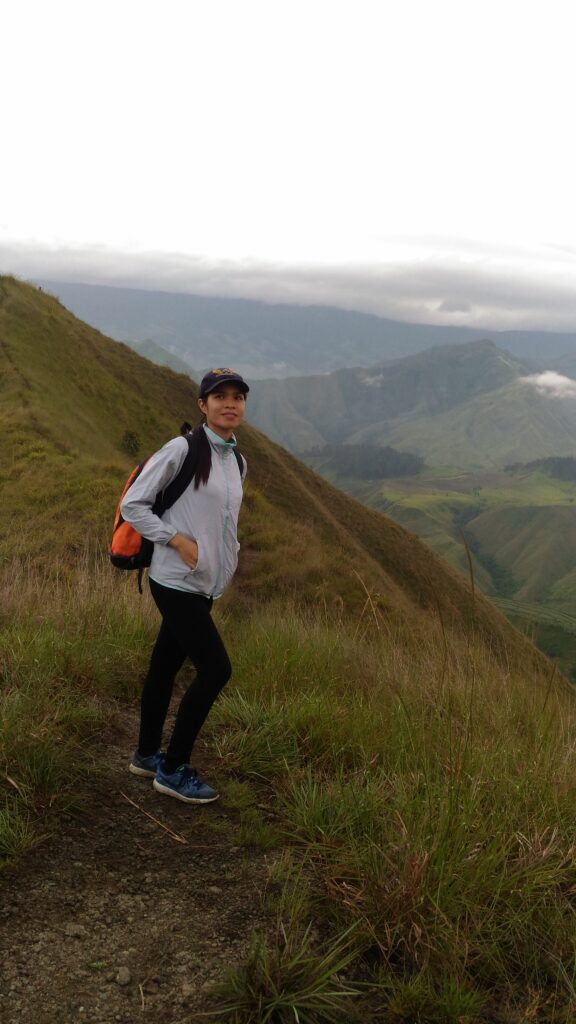
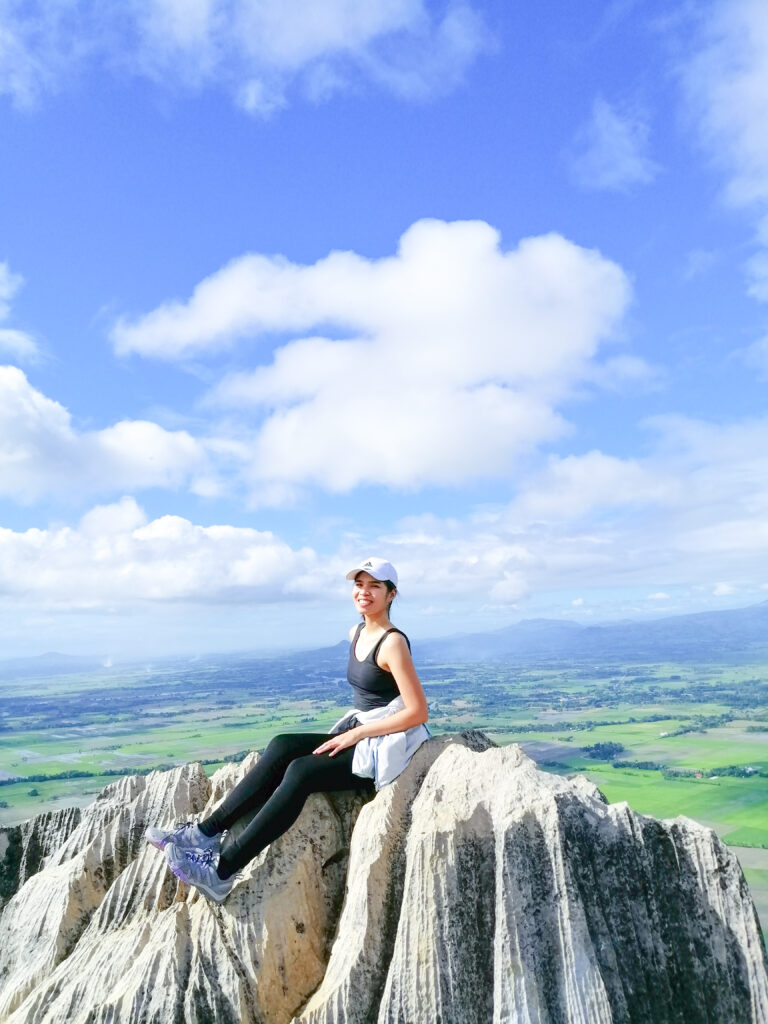
In 2023, I developed piriformis syndrome and in late 2025, costochondritis. Two conditions and lessons learned in how easily the body can break when you push it too hard without listening.
What These Conditions Actually Are
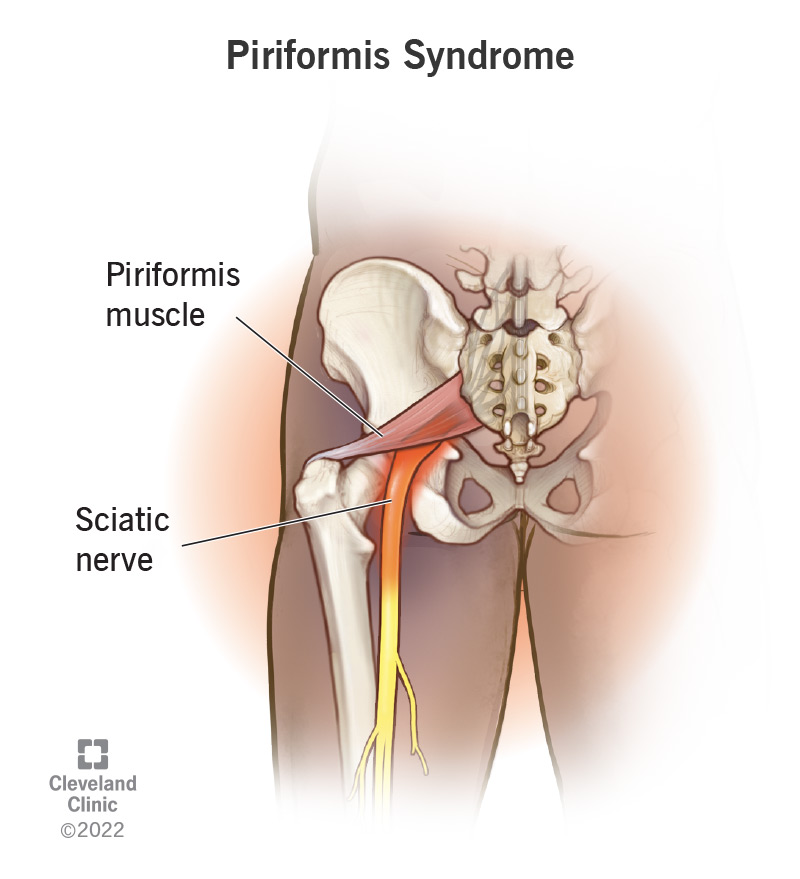
Piriformis syndrome is a pain condition caused by the piriformis, a small muscle deep in the buttock that sits close to the sciatic nerve. When the muscle gets tight or inflamed from overuse, prolonged sitting, or repetitive lower body exercise, it can press on the sciatic nerve. The result is pain in the buttock that can radiate down through the hamstrings and behind the knee, often mistaken for sciatica.
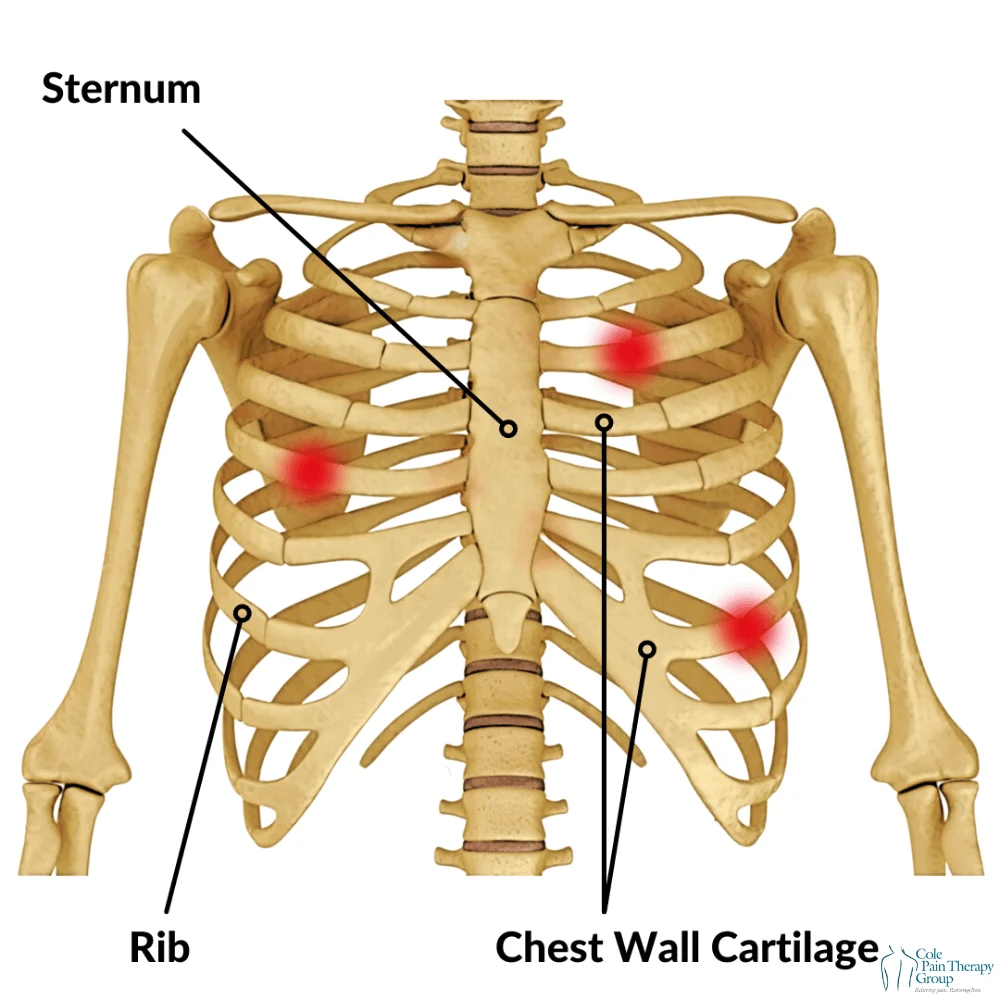
On the other hand, costochondritis is inflammation of the cartilage that connects the ribs to the breastbone. The pain shows up in the chest. It’s sometimes sharp, pressing, and can mimic a heart attack that it sends people to the emergency room. Like piriformis syndrome, it is often triggered by physical strain, heavy lifting, repetitive upper body movement, or any sudden increase in how hard you are working your chest and core.
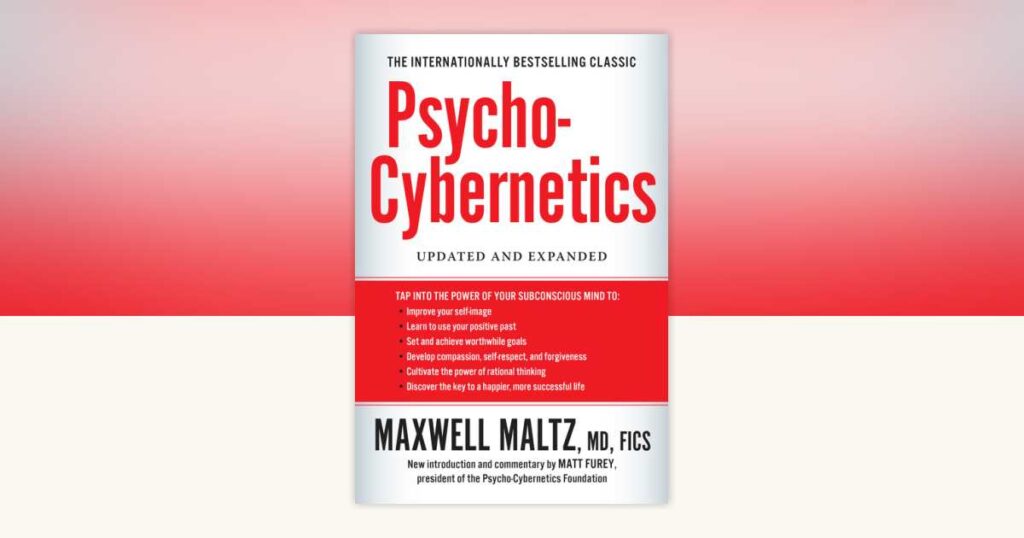
Neither condition is dangerous in the way it feels. Both are your body’s way of telling you that something has been pushed too far and for too long. In the book Psycho-Cybernetics, Dr. Maxwell Maltz reframes pain in a way that has stayed with me. He sees pain not as something to fear, but as a protective mechanism and a form of feedback. The body’s warning signal meant to help us correct course rather than condemn us to suffering. My body had been sending me that message for a while and I just kept ignoring it.
How Overtraining Caught Up With Me
Piriformis Syndrome, 2023
When I started getting back into training, I leaned hard into lower body work such as squats, kettlebells, and HIIT sessions. I was doing the same routine on repeat with no variation. I was still working at the second company at the time, then resigned and transitioned to working from home in early 2023. By the middle of that year, the pain showed up.
It started as a soreness on the right side of my buttock, but it did not stay there. It traveled. From my lower back down through my hamstrings and into the back of my knee. Sitting made it worse, but sitting was unavoidable. As someone who sits eight hours a day at a desk for work, the pain became a constant companion.
Costochondritis, late 2025
When my piriformis syndrome disappeared after not doing lower body exercises, by late 2024, I had shifted my focus to my core such as lifting weights to build muscle now that I was in my 30s. Like the lower body exercises, I was doing the same routine with no variations. Then, sometime before Halloween of 2025, a pain settled into the upper part of my abdomen, on both the left and right sides.
I did what most of us do. I Googled. Every search pointed to gallbladder stones. To stop overthinking, I booked an online consult with a doctor on SeriousMD, who told me it sounded like cholelithiasis or the presence of gallbladder stones. On All Souls’ Day of 2025, I went to a hospital laboratory for an upper abdomen ultrasound. Gratefully, the attending doctor said my pancreas, stomach, kidneys, and my gallbladder are normal.
Yet, the pain stayed. I could not sleep on my back anymore which is a position I had loved my whole life. I had become like a pregnant woman who’s sleeping only on the left or right side.
Then, in February 2026, my friends and I went on a staycation in Talisayan, Misamis Oriental. After getting out of a cold pool, I sniffled, and the right side of my chest went numb. For a few terrifying seconds, I thought I was having a heart attack or that something had gone wrong with my lungs. It was one of the scariest moments of my life.
That was when I started connecting the dots. The repetitive upper body work, the lifting without easing in, and the pain that the ultrasound could not explain. It was not my gallbladder. It was costochondritis, brought on by pushing my chest, abs, and upper body harder than they were ready to handle.
What Healing Has Looked Like
I am not medically diagnosed with either condition. I figured both out the way through symptoms, research, and trial and error. What I did know was that the workouts I was doing were the problem, so I stopped them.
For the piriformis syndrome, I stopped my lower body workouts entirely. I stopped doing squats, kettlebell sessions, and HIIT workouts. I found stretching routines on YouTube that target the piriformis and I made them part of my daily practice. After a year of staying consistent with them, my butt healed. I have linked the routines below in case they help you too.
For the costochondritis, I stopped lifting weights and stopped working my upper body. I added chest stretches and kept them consistent. As of this May 2026, I am sleeping on my back again for the first time in 7 months since October 2025.
What I Want You To Know
I remembered the famous fitness content creator, Natacha Oceane. She is in extraordinary shape and trains at a level most of us will never reach. Even Natacha has dealt with serious injuries from pushing too hard, including a back injury in 2020 that almost crippled her and forced her into rehab, along with ankle and stomach issues from her ultramarathon training. If someone that fit can break, the rest of us are not immune.
If you take anything from all of these, take the following.
First, do everything in moderation. The same exercise on repeat, day after day, is not training. It is wearing down the same muscles, the same joints, and the same connective tissue until something gives up. So, vary your workouts. Give different parts of your body a chance to rest while others work.
Second, listen to your body. Listen to the soreness that lingers and pain that shows up in odd places. As for me, one of which was sleep that no longer fall into the way Iused to. These are not inconveniences to push through, but are signals that you’re body is sending for a reason to correct, as mentioned by Dr. Maxwell Maltz from the Psycho Cybernetics book.
Our bodies have limits and we only get one in this lifetime. The cost of ignoring that shows up eventually in the future such as a pain in the butt you carry to your desk every day or as a numb chest that makes you wonder if you are having a heart attack on a weekend trip with friends.
Honestly, I was getting stronger. The workouts were doing exactly what they were supposed to do. However, my body was hurting, so I had to stop. Strength means little if it costs you the ability to do the things you’re supposed to do each day or hinders you to enjoy the mundane things in life.
Rest is not the opposite of progress, but it is part of it. I learned this the long way. Hopefully, you will not have to.


Leave a Reply