
Photo by RDNE Stone Project
Senator Risa Hontiveros has always used index cards during Senate sessions. It’s not a teleprompter nor a speechwriter whispering in her ear. It’s the small rectangular paper with lines that students have been using to organize their thoughts. It has always been the senator’s way of keeping herself on track to ensure sure that what she says in that chamber is deliberate and grounded. It is not new since it is just who she is as a legislator.
Somehow, people are now treating it like a scandal on social media.
Netizens criticized her as not being able to think on her own, just being fed a script, or just needing the index card just to say point of order. The mockings are elated. As I scrolled through Facebook and Reddit, I was thinking if these people don’t remember being in school or do they?

Because for me, I do remember being in school. Index cards and note taking were a big part of it.
Writing things down and organizing your thoughts on a small card or paper before you speak is not a weakness, but a discipline. In a Senate chamber where words have consequences and arguments need to hold up under pressure, that should be the baseline expectation.
The greatest minds in history all had index card moments
If using index cards is proof of incompetence, then we have a problem because the most brilliant people who ever lived were doing exactly that.
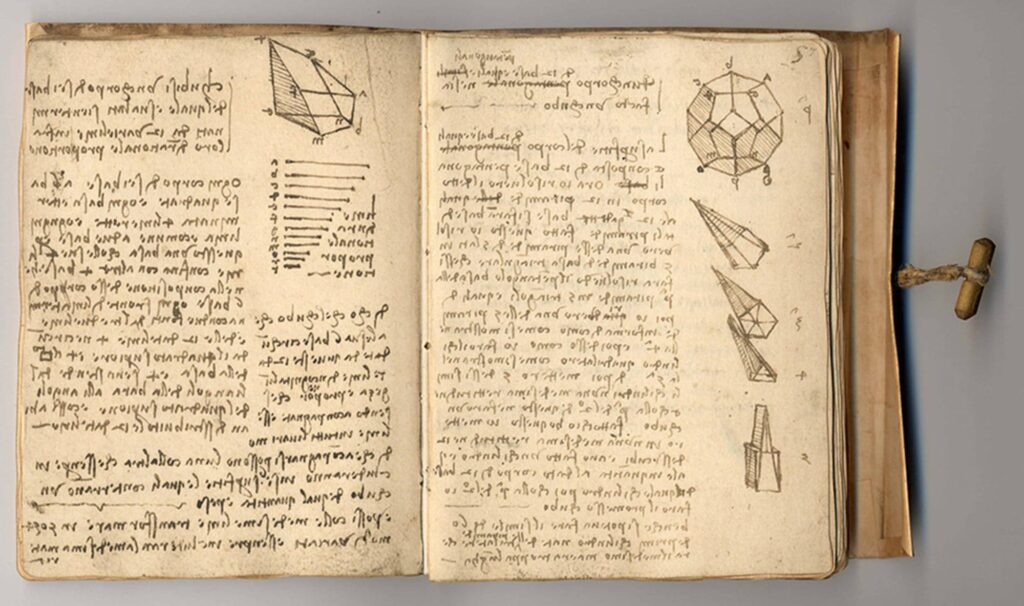
Leonardo da Vinci carried notebooks everywhere he went. His ideas on anatomy, engineering, flight, and painting were all organized first on paper. They were in careful observations and sketches first before they became something. Thousands of pages of his notes survive to this day and we do not call them embarrassing. We have now put them in museums.
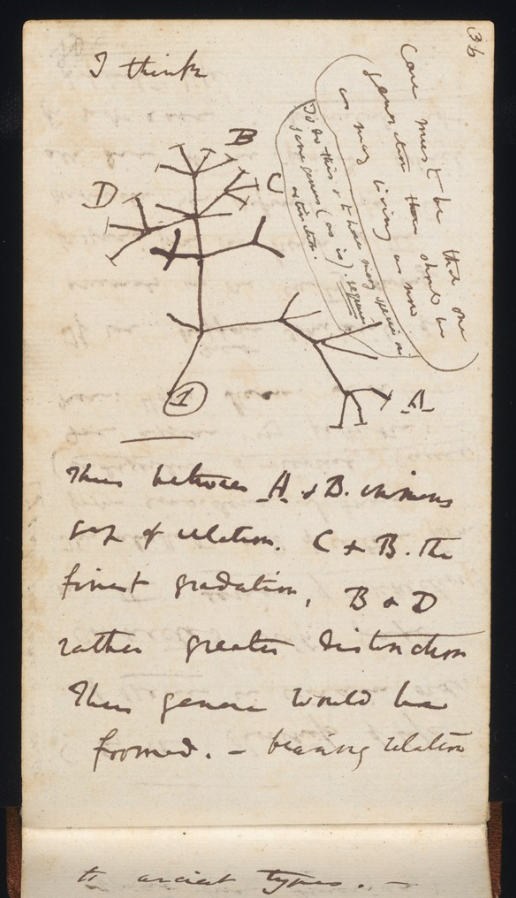
Charles Darwin wrote constantly throughout his entire career. He kept journals, field notes, and notebooks from his years on the Beagle all the way through the development of his theory of evolution. That theory did not arrive fully formed one morning. It was built piece by piece through years of documented and organized thinking. It was written down so it wouldn’t slip away.
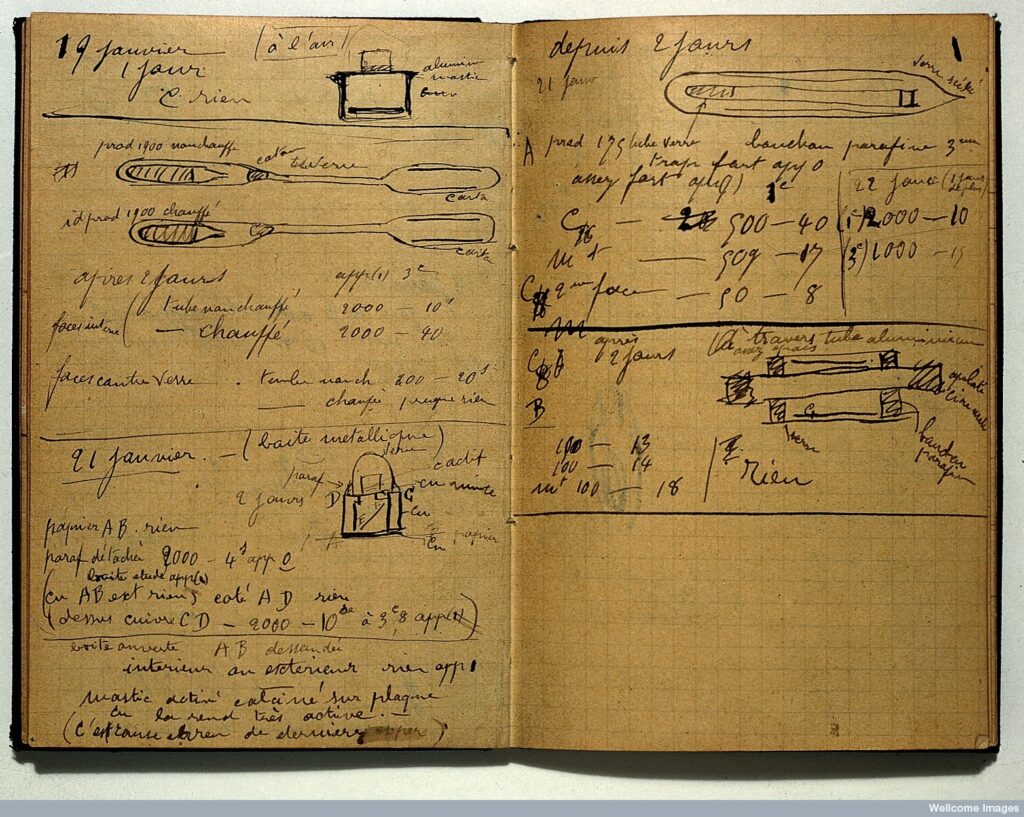
Marie Curie won the Nobel Prize twice and was meticulous about her notes. Her laboratory notebooks are still radioactive today because she documented her work so thoroughly. They are kept in lead-lined boxes in Paris. Researchers who want to study them must sign a liability waiver before they can even open them. Her notes were so important and irreplaceable that even a century later, they require special handling. Nobody is calling Marie Curie a weak thinker for writing things down.
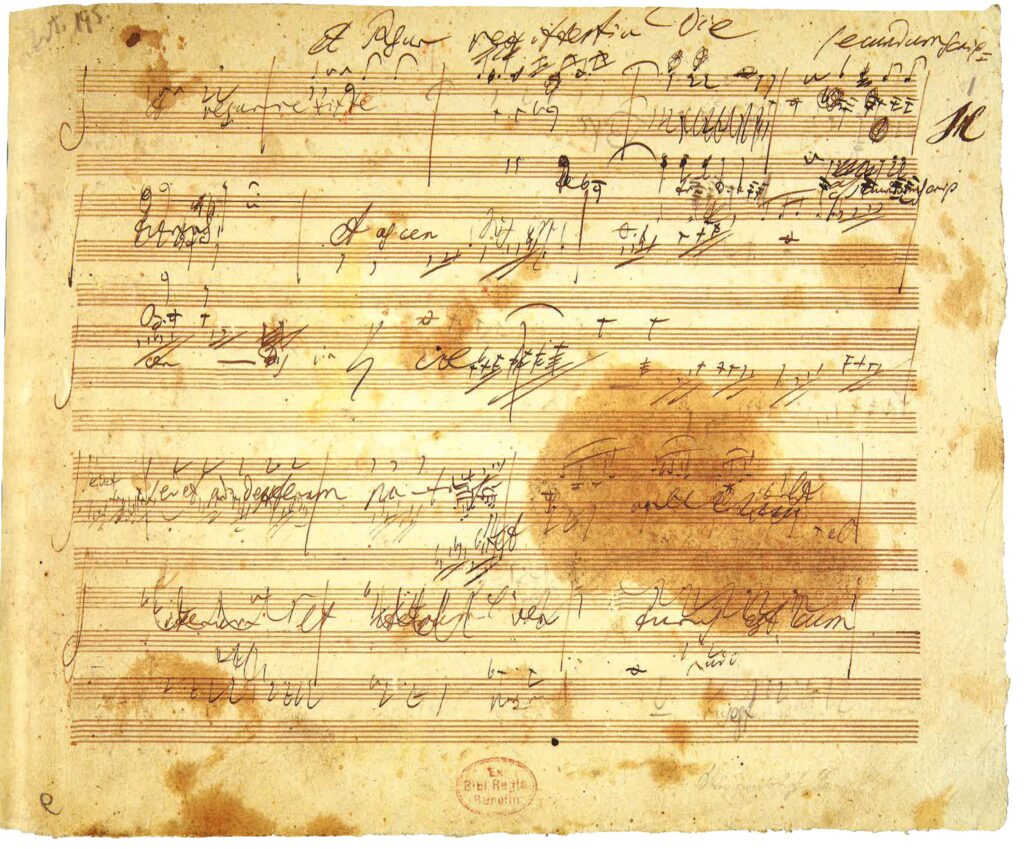
Ludwig van Beethoven composed with notebooks in hand. His sketchbooks show entire symphonies in crossed-out and rewritten form and reorganized over and over before they became the works that made him immortal. What we hear in a concert hall today started as notes on paper.
Winston Churchill, the former Prime Minister of the U.K, did not wing out his speeches. He wrote it out by hand, rehearsed them, and annotated his own notes before delivering the words that steadied an entire nation during its darkest years.
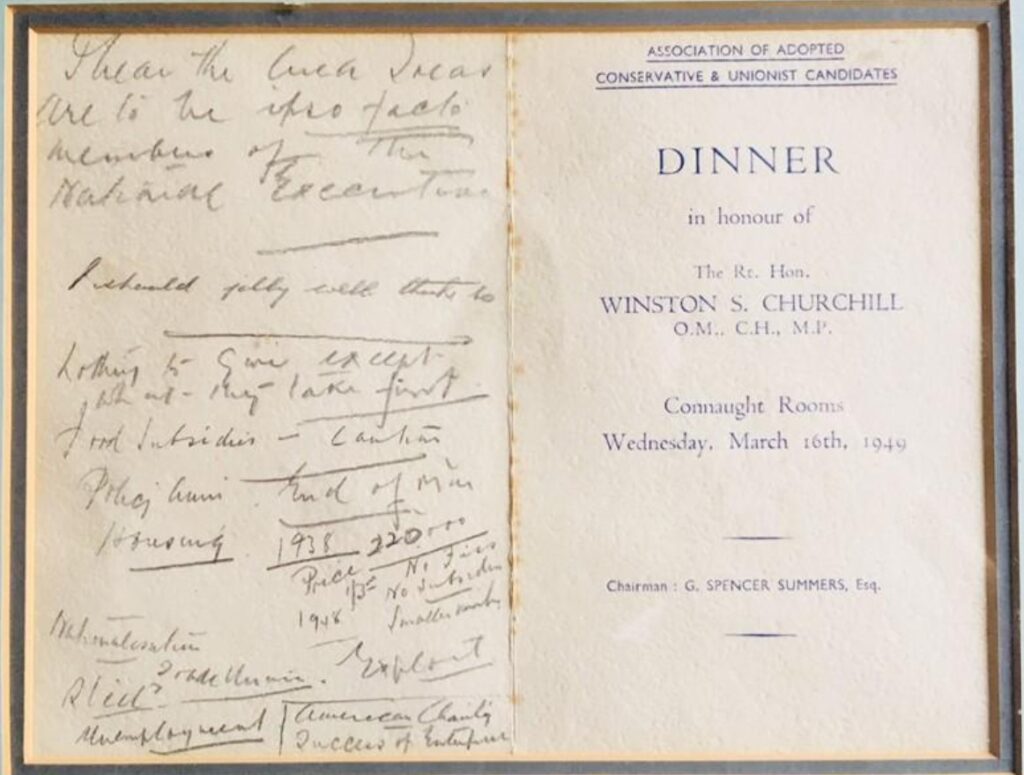
The pattern we’ve seen from these notable people in history is not a coincidence. The people we most admire for their intelligence were also the people most committed to writing things down before they opened their mouths. Clarity does not come from spontaneity, but from the work you do before you speak.
I have used index cards and have been taking notes my whole life
From elementary school, I was that kid with the pen or pencil that’s always moving. I wrote down what the teacher said, what I thought about what the teacher said, questions I wanted to ask, and things I don’t want to forget. Notetaking is just how I made sense of things.
In high school, index cards became a tool for me. Every exam season, I would spread everything out on the study table with my notebooks, textbooks, and highlighters, and start breaking everything down. I organize the chapters to outlines and summaries. The index cards and yellow papers are small enough to flip through and review the night before a major exam. I was not doing it because I had not studied, but because writing things down a second time, in my own words, on something I could hold in my hands, was how I made the material stick to my brain.
I did the same habit in college. Everything was mapped out, condensed, and organized so nothing important slipped through.
By the time I was studying for my MBA, I did the same system because the more complex the material, the more you need a structure to contain it. You can’t wing graduate school. That’s why I wrote things down, organized them, and then built my argument from there.
In 2017, when I even attended a public speaking class, index cards and note taking are crucial. Even in a program built specifically to train people to speak confidently on their feet, the first thing they teach you is to write down your key points before you open your mouth. The goal was to have a speech that’s clear, structured, and worth listening to.
Even now, as someone who is no longer studying, I still take notes at work because tasks, ideas, and decisions need to be captured before they disappear. Outside of work, I journal because processing your thoughts on paper is a different kind of thinking than just letting them float around in your head.
In many ways, this blog is an extension of that same practice. Every post I write here starts the same way it always has, with me writing things down, organizing them, and figuring out what I actually want to write.
If writing things down was good enough to get me through the three levels of formal education, graduate studies, a public speaking class, and in real life, then it is certainly good enough for a senator doing her job in one of the most scrutinized chambers in the country.
Those who aren’t taking notes
This is where I have to point out the elephant in the room because the irony of this whole situation is hard to ignore.
The same crowd mocking Senator Risa Hontiveros for her index cards has been conspicuously silent about Vice President Sara Duterte, who has repeatedly appeared on video unable to articulate a coherent thought without reading verbatim from a prepared script.
Even then, what comes out is often a wall of accusations, threats, and non-sequiturs that collapse under the lightest scrutiny. She is a lawyer and passed the bar (Did she really?) because if the quality of thinking we see on screen is what a law degree produces, then perhaps we should be having a different conversation about the state of legal education in this country.
Yet, the VP’s words organized into sentences in defense of actual positions has been underwhelming and discouraging. The script is not helping her. When the script runs out, what is left in her brain?
Then, there is Senator Imee Marcos, whose recent privilege speech was positioned as a major exposé that was supposed to shake something loose. It landed with a thud because the allegations she raised were thin on evidence. A privilege speech is precisely the moment when your preparation needs to be airtight, your sources verifiable, and your claims grounded in something. Instead, what we got was a performance that fell apart the moment anyone asked a follow-up question.
It does not stop there. The majority bloc in the Senate has made a habit of opening their mouths before their thoughts have fully caught up. Remarks get thrown on the floor without thinking through their consequences, motions get railroaded, Ogie Diaz acting workshops became a thing, and ad hominem attacks get delivered in place of actual arguments.
The chamber under the current majority that is supposed to model careful, deliberate, and accountable governance has started to resemble a poorly moderated group chat. Everyone is talking, but very few are thinking.
Yet, the one senator who literally writes her thoughts down before she speaks is the one being ridiculed for it.
The woman with the index cards is the one being mocked while the ones making noise without receipts are being treated as credible. This is not a partisan observation, but a literacy observation.
What this actually reveals
When a person sees someone taking careful notes and their first reaction is contempt rather than recognition, it tells you something. For them, appearing confidence matters more than having substance, speaking loudly and fluently feels more impressive than speaking carefully and accurately, and preparing reads as weakness because they have never had to prepare for anything that required real accountability.
This is what makes Philippine political discourse exhausting. We reward the bravado of the unscripted rant and punish the discipline of the organized argument. We treat thoughtfulness as elitism and bluster those as authenticity. Then, we wonder and complain why our institutions are the way they are.
The critics mocking Senator Risa Hontiveros for her index cards and notetaking are not making a point about competence. They are revealing something about themselves. They are showing us that they have confused noise for substance and spontaneity for intelligence. They are showing us that they would rather watch someone perform confidence than actually do the work. Most tellingly, they are showing us that in a country where critical thinking is struggling to exist, they have chosen to be part of the problem rather than the solution.
An index card is not a prop, but a proof that you’ve thought about what you were going to say before you said it. It is evidence that you respected your audience enough to prepare and that you understood the weight of the room you were standing in.
The index cards and the note taking were never the problem. It’s the inability to recognize why it matters is. If that is the hill her critics want to die on, then perhaps they need to sit down, pick up a pen, and think a little harder before they open their mouths.
If this resonated with you, share it with someone who still believes in the radical act of writing things down.






Leave a Reply