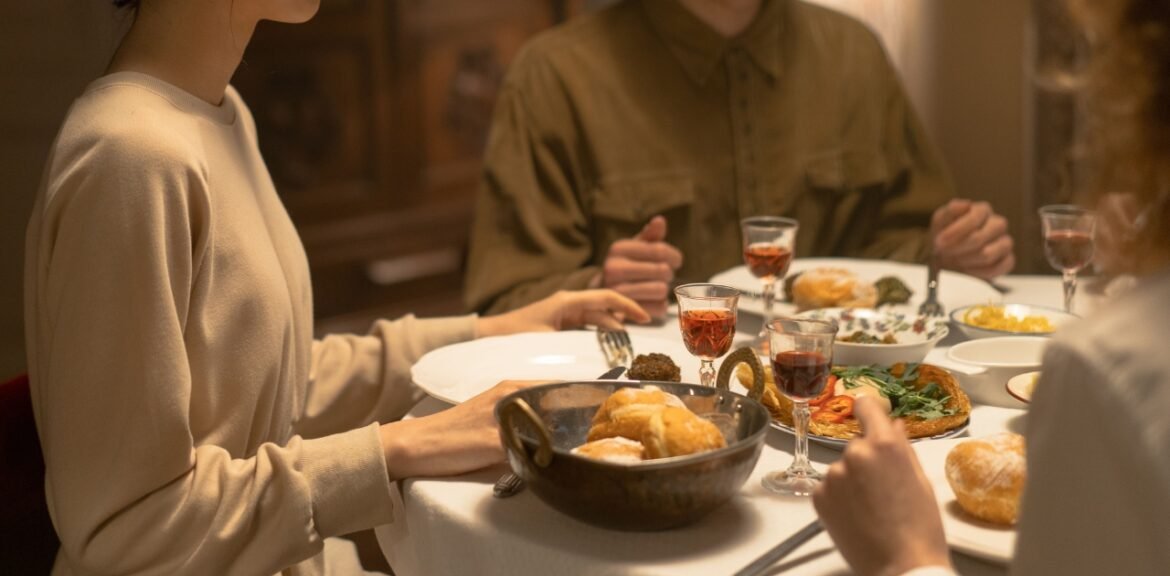
Photo by cottonbrostudio
September marks the beginning of the most wonderful time of the year for the Philippines, which is why the world considers Filipinos to have the longest Christmas celebration at three months.
With it comes family reunions and gatherings by December. This is rooted in a culture of tight-knit families. Some look forward to it, especially the older generations. Yet, for some younger Filipinos like me, attending has always felt mandatory simply because it’s a family gathering and you’re expected to socialize since they’re your family and you share the same blood no matter what, but is it really?
Where my personal dread started
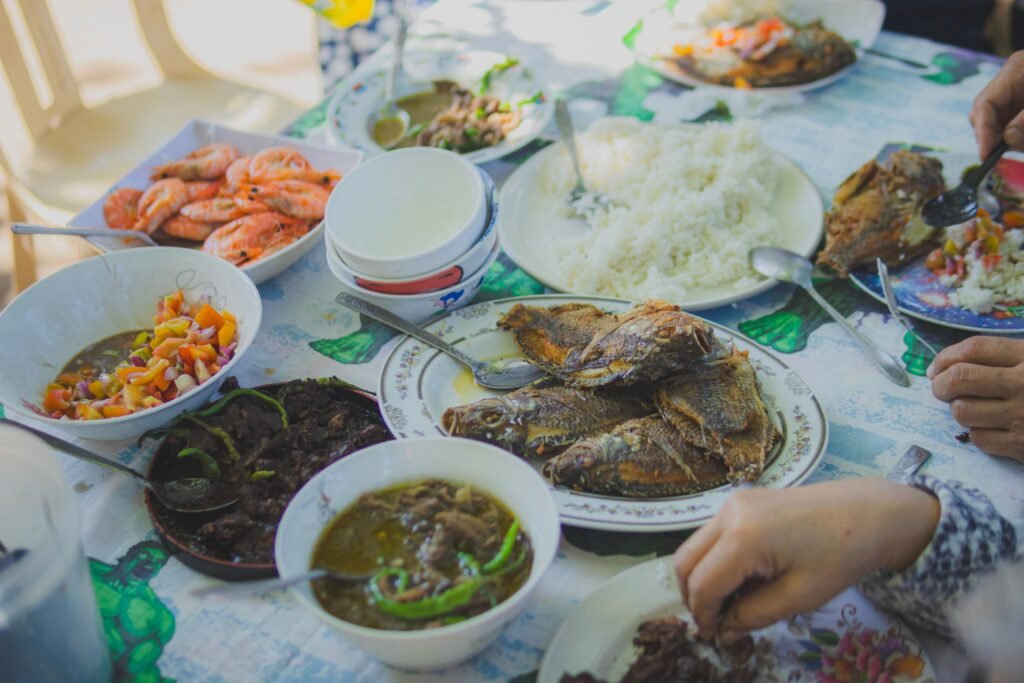
As a kid, as far as I can remember, even in my elementary years, I dreaded family gatherings because I did not consider them a safe place for me. It’s where my trauma with body dysmorphia and an eating disorder stemmed from, lasting fifteen years, from age twelve to twenty seven, due to body comments and bullying from relatives.
Related Article: Orthorexia Eating Disorder: My Story and Recovery
Being an INFJ, I also did not feel the need to socialize with some family members. While some consider family gatherings a time to bond with their extended families, I never felt that connection, especially since I had different values from them.
I don’t drink or smoke, I value meaningful conversations over gossip about family members who aren’t there, and I hold different political and life views from them (Clue: I’m not a DDS).
At the same time, with past conflicts that happened among family members and I witnessed from my father and to other family members, I am the type of person who dislikes sugarcoating relationships just because they are your family.
Turns out, I’m not alone in this

Aside from my own experiences, I’ve come across similar sentiments from other Filipinos, most likely the Gen Z and millennials. Here are a few I read on Reddit that hit close to home:
I don’t have the energy to attend gatherings in general anymore. I’d rather hang out at a café with my close friends or stay home and watch a movie. My mental health feels so much more at peace now that I choose what I actually want.
Sometimes, it just feels like you are pretending you enjoy their company. Everything they say about you doesn’t bother you anymore even if it affects the shit out of you. Family gatherings can sometimes be like a play pretend event to me. Just an occasion full of fake people who pretend to like each other.
Sometimes, it just feels like you are pretending you enjoy their company. Everything they say about you doesn’t bother you anymore even if it affects the shit out of you. Family gatherings can sometimes be like a play pretend event to me. Just an occasion full of fake people who pretend to like each other.
[Original] Heavy drinkers talaga ang mga pinsan ko. Pinipilit ka nilang uminom kahit hindi na kaya ng katawan mo. Kaya naman bihira na lang akong sumasama sa mga reunion.
[Translated from Filipino] My cousins are really heavy drinkers. They pressure you to drink even when your body can’t handle it anymore. That’s why I rarely join reunions these days.
I use work as an excuse just so I don’t have to go to family gatherings.
I have been avoiding family gatherings since the pandemic and all the more after finding work. So far, it has given me peace of mind. I do not need to hear the rumors or intrigue of a certain relative. I especially do not want to hear and witness the self-righteousness and judgment of other relatives, believing themselves to be all-knowing about life and its nuances. Avoid at all costs.
Reading through these, the several commenter’s reasons vary, but the underlying feeling doesn’t. Whether it’s simply not having the energy anymore, pretending to enjoy company that doesn’t reciprocate the same respect, being pressured into things your body or values don’t align with, or quietly using work as an alibi, it all points to the same thing.
Many Filipinos aren’t avoiding family out of spite. They’re avoiding the exhaustion of performing a version of themselves that these gatherings seem to demand.
At the same time, younger Filipinos now give more importance about protecting their mental health which older generations rarely had the language or permission to do.
Before, choosing peace over obligation used to be unthinkable, especially in a culture that valued pakikisama above almost everything else. Now, more young Filipinos are willing to say no, set boundaries, and walk away from spaces that drain them, even if that space is family.
The questions no one asked to be asked
It’s rarely just “How are you?” Family gatherings have become a way of turning small talk into an audit.
How much is your salary now?
You’ve gotten fat. You should lose weight.
Don’t you have a boyfriend/girlfriend yet?
When are you getting married?
Why don’t you have a baby yet?
These questions get passed around the table like they’re harmless, but they rarely feel that way to the person on the receiving end. It feels invasive.
What makes it worse is the audience. It’s not a private conversation between two people who care about each other’s wellbeing. It’s a performance in front of aunts, uncles, cousins, and whoever else is within earshot where all of whom now have an opinion to add.
By the end of it you’re expected to laugh it off because they’re “just showing they care.”
This isn’t just something a few of us feel privately either.
In December 2025, I remembered that there was a social media reminder from Filipina actress, Anne Curtis, to be more sensitive with remarks toward relatives during family reunions.
It had struck a chord with young Filipinos as the holiday season approached. The reminder listed exactly the kind of comments that come up year after year like remarks about weight gain, being unmarried, not having kids yet, breakouts, and even how much someone earns. That means enough people don’t agree with these comments that a public reminder felt necessary in the first place.
For many young Filipinos, this is exactly why gatherings stop feeling like family time and start feeling like scrutiny, judgement, or competition. It’s not because we don’t want to share our lives. It’s just that oversharing isn’t a requirement for that bond or relationship. Being asked to justify anything about your life and personal choices to people you rarely see just because you share the same blood isn’t a valid reason. It is a toxic habit and culture that needs to be stopped.
Being a married person with no kids in a Filipino family raises eyebrows
I’ve written before in another essay about how the decision to have kids deserves more thought than most people give it. You can read the post by clicking the link below.
Related Article: I’m a Married 30 Year Old With No Kids and I’ve Thought About It More Than You Have
Writing about it in theory is different from living it. I’ve been married for almost three years now and the question comes every time I see extended family.
“So, when are you having kids? You’re now in your 30s and your biological clock is ticking.”
Sometimes it’s direct, sometimes it’s a joke wrapped around real curiosity, but either way it’s the same question I expected to hear.
What people don’t know is that I made peace with the decision of skipping family gatherings shortly before I got married. Back then, I had already started living more intentionally, which included stepping back from family gatherings altogether. It was simply choosing to spend my time and energy on what actually mattered to me, rather than showing up out of obligation to spaces that left me more drained than fulfilled.
My mother is one of the family members who never misses a gathering. For a long time, she took my absence personally. She’d guilt trip me whenever I skipped one, as if not showing up meant that my presence becomes a life or death situation for the relatives.
For a while, I just used work as my go-to excuse since it was easier than explaining myself over and over. Eventually, she got used to it. She had to accept that I wasn’t the ten year old kid she used to bring along to these gatherings anymore. I got to decide what my time and energy went toward.
What makes this easier is that my husband holds the same values around this. He doesn’t pressure me to attend family gatherings I don’t want to be at. He understands why I’ve stepped back from them. Having a partner who sees it the same way removes the friction I would have otherwise had to deal with.
Looking back, I have no regrets about the decision to step back. It gave me space to think about what I actually wanted for my life, without relatives weighing in on my choices and timeline. Even now, being asked about kids doesn’t rattle me the way it might have if I were still stuck attending every family occasion just to keep up appearances.
What we owe the next generation.
Toxic family practices don’t become harmless just because we’ve labeled them as a culture. What’s been passed down for generations is a harmful habit that we’ve allowed to hide behind for too long.
I look forward to a future where the next generation doesn’t inherit this version of family gatherings where showing up doesn’t mean bracing yourself for comments about your body, your relationship status, or your life choices or where family time becomes a safe space and a wholesome event for every member, not just tolerable for some and dreaded by others.
If enough of us choose differently, the next generation won’t have to.




Leave a Reply