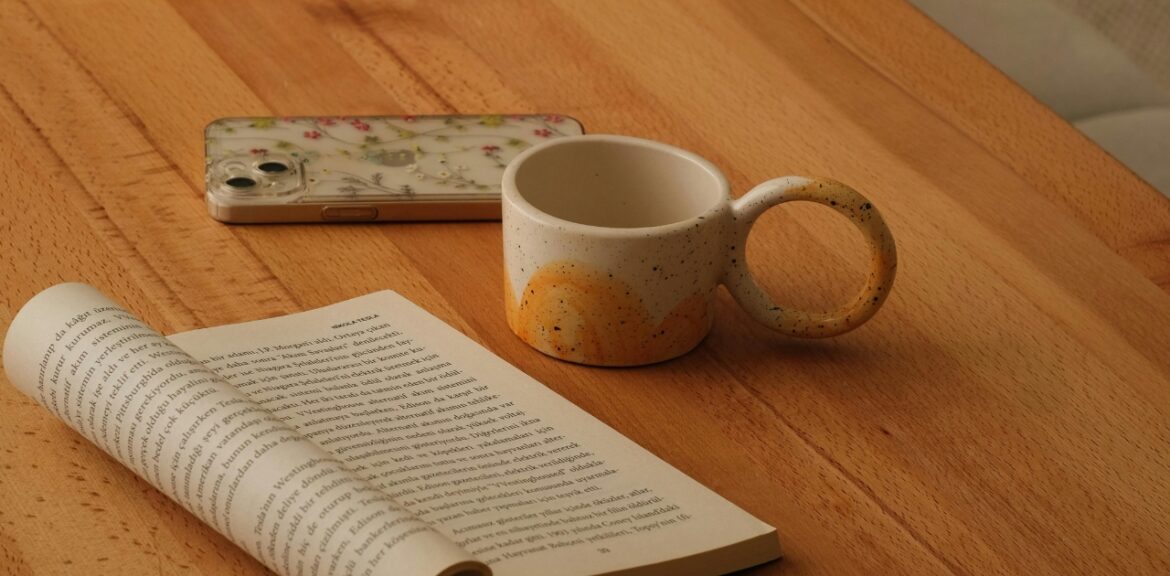
Photo by Feyza Altun
There was a time when the first thing I reached for in the morning was my phone. It sat right beside me on the bed. I would open Instagram, Facebook, or TikTok before I was even fully awake. The next thing I knew, thirty minutes had passed.
Fast forward, now, my phone is across the room. It still wakes me up through the alarm clock, but I have to get out of the bed to reach it. Once I do, there is nothing on it pulling me back in because the social media apps that I used to access each morning are long gone. The social media apps were uninstalled. I get up, I move through my morning, and I read a book or step outside to prepare for my day before the world has a chance to tell me what to think.
That distance between me and the phone is a small thing, but they were also 2 different versions me.
For a long time, when people mentions minimalism, what is pictured is usually a clean closet, a tidy shelf, or a white couch with pampas grass in a Pinterest photo. Minimalism is always about owning less stuff. I used to think of it the same way.
The thing I have come to believe, after almost a decade of pulling myself out of consumerism, is that the owning more stuff was just the entry point. The harder and more interesting work is everything we allow to live inside our heads. They’re the thoughts we did not choose, the wants that were planted by a social media algorithm, the version of ourselves we keep performing for an audience, and the slow disappearance of who we actually are as a person.
These are notes from a millennial trying to live with less stuff, less noise, less clutter, and less of the version of yourself the internet wants you to be.
Minimalism is not just about the closet or the aesthetics
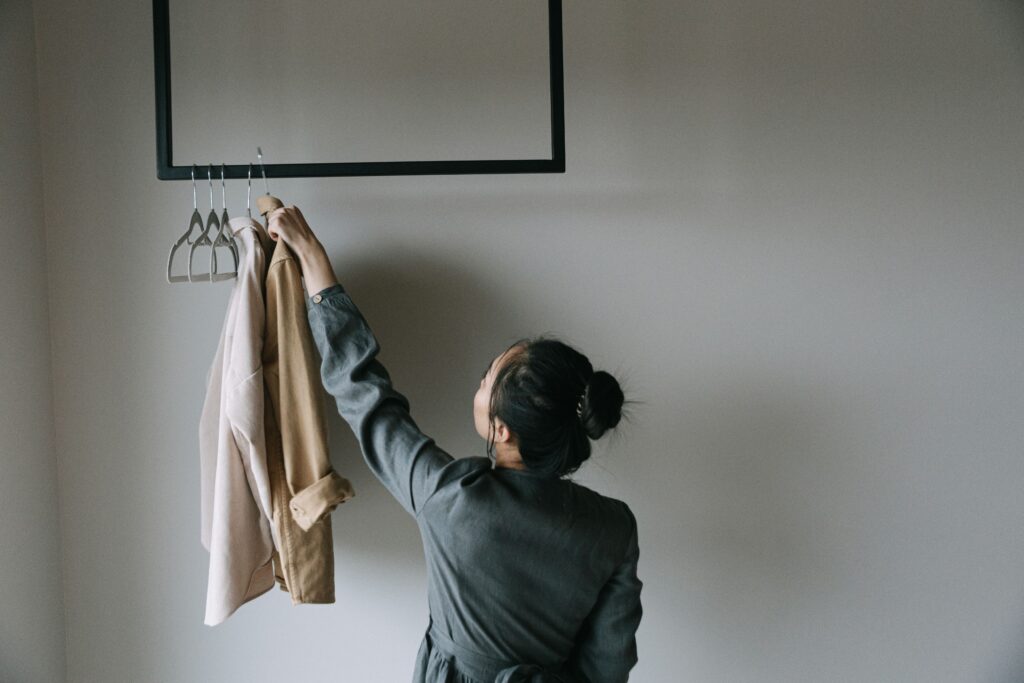
The most common version of minimalism we see is visual. These are empty surfaces, neutral colors, or a single plant on a wooden table. These aesthetic versions are fine. Somehow, it just is not the one that saved me.
What changed my life was not how our house looked. It was how I felt internally when I stopped letting other people fill it. There’s less wanting, less comparing, and less noise that comes from being plugged in all day. That kind of minimalism doesn’t look Instagrammable, but it is the one that actually gave me peace.
The reason I think of it this way is that owning more stuff is just the visible end of a much deeper system. The ads showed up before I knew I wanted anything. Social media feeds taught me what a normal life was supposed to look like versus how it looks like in real life. The photos in someone else’s life set the bar for mine. The pressure to keep up with whatever the status quo sets was that the lifestyle I saw online never really came from me.
For me, that is why minimalism is not just about physical decluttering. It is clearing what you own, what you consume online, and eventually what you believe about who you should be. The first part is the easiest. The last part is the one most of us never get to.
How I became a minimalist
I did not become a minimalist overnight. I just did not have the word for what I was already doing, which I called simplicity.
When I joined the workforce in 2016, I usually kept one or two shoulder bags for work, bought things only when something was used up or broken, and resisted the lifestyle inflation I was watching unfold around me at the bank I was working in.
My colleagues looked good and portrayed a certain lifestyle on the outside, but underneath, a lot of it was funded by debt. I have a Finance degree, so I had an idea of what being drowned in debt did to people. That is why I have always strived to live within my means. I did not even own a credit card for the first four years of my career. Even now, I own the same cellphone since February 2019, the same wallet since pre-pandemic, and the same shoulder bag since my last office job in 2022.
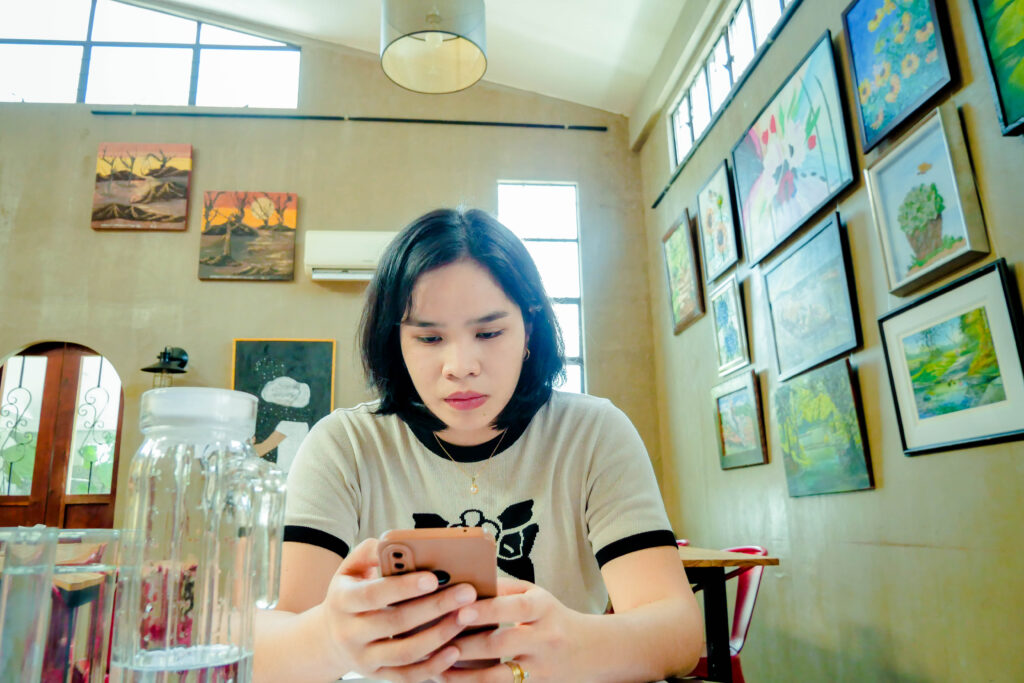

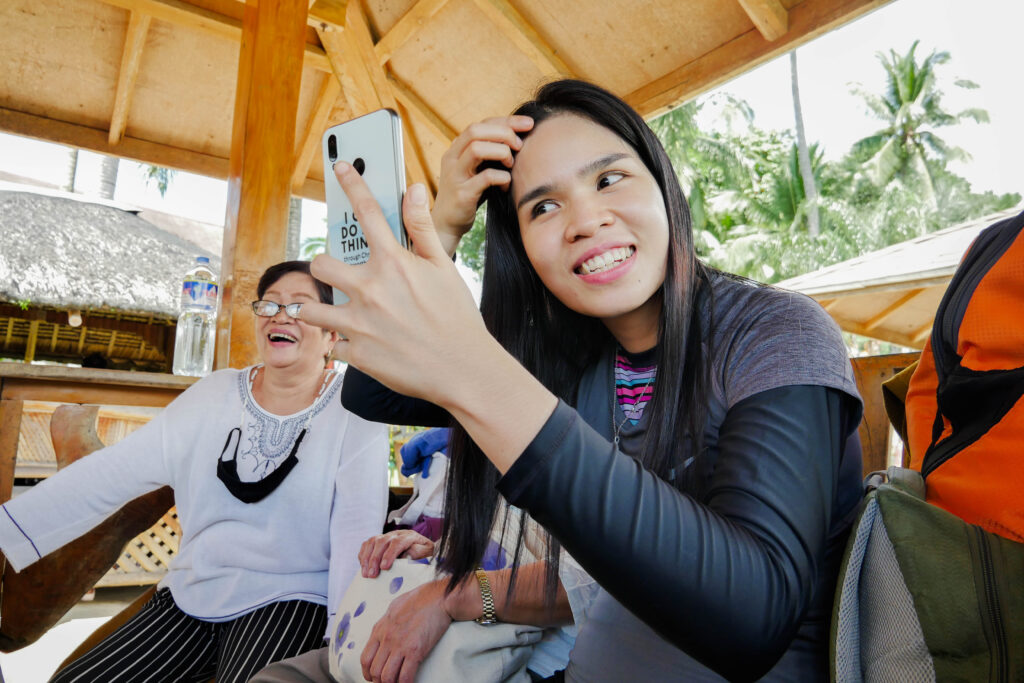
I still call myself a semi-minimalist for those years, though, because there were times I could not hold the line. The FOMO (Fear of missing out) was real and I joined the bandwagon. I traveled when everyone else traveled and flexed the pictures on Facebook and Instagram, where I was a heavy user until sometime 2021 to 2022.
In my mind at that time, I was doing what everyone else did and this was what society marked as success. I never funded any of it on debt, but I followed the script anyway. Looking back, that script was never the marker of success it pretended to be.
Then, the pandemic changed the speed of things. People around the world were downsizing and simplifying. I started watching content from creators like Malama Life, Courtney Carver, and A to Zen Life. I realized the thing I had been doing my whole life finally had a name, which is minimalism. It was already within me. I just had not met the word yet.
I also turned 25 around that time, which is apparently when the frontal lobe finishes developing. Whatever it was, biology, the pause of the world, or both, something in me matured. I started getting clearer on what mattered. I also met my husband during this time, then still my boyfriend, and he is really more of the epitome of a minimalist person than I am. I started seeing how exhausting it was to have so much stuff in my bedroom, in our house, and in my life. I hated the constant cleaning and decluttering, so I just wanted to simplify.
The real shift happened at the end of 2022. I was recovering from an eating disorder I had carried for fifteen years, my body had changed, and most of the regular clothes and office clothes I had accumulated no longer fit. I had also started working remotely and had no plans to return to on-site work in the future, so I let those items go. I donated two sacks of clothes to my brother-in-law, who has a thrift store. I knew the brand labels I had bought would do well there.
Standing there afterward, looking at the empty closet, I felt the cost. Those two sacks of clothes were money I had spent for more than half a decade and money that was not coming back. I had slight regrets because of that, but I also told myself it was better to realize this now than decades from now.
That is when I decided to have minimalism as a personal lifestyle and a practice.
The Filipino consumerism I grew up with
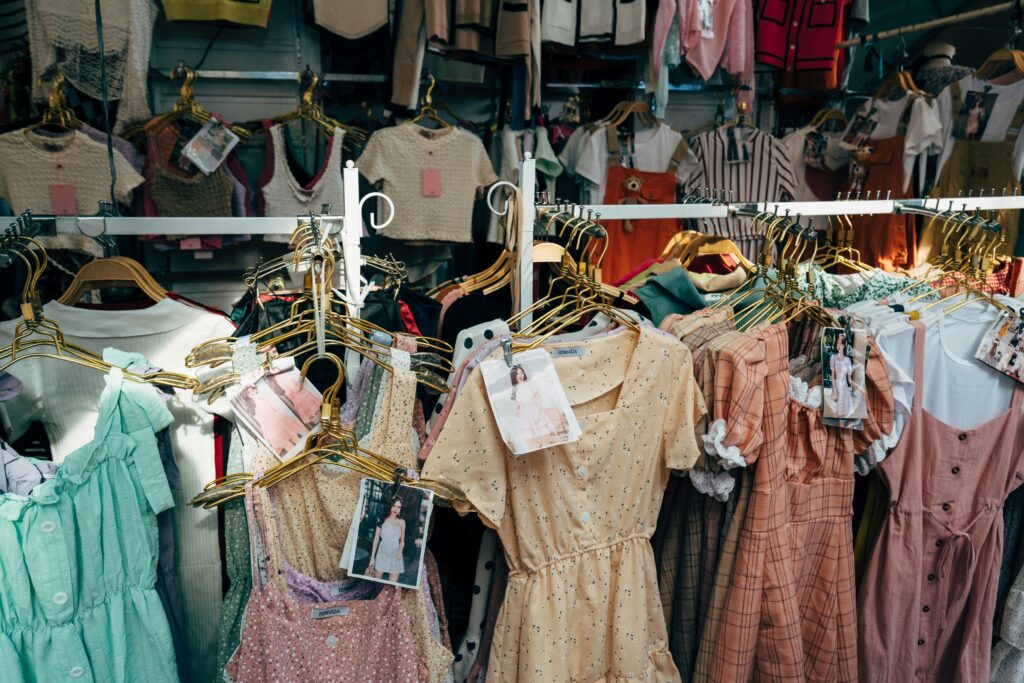
In the Philippines, frugality is a virtue. Being tipid (Frugal) is praised and being madiskarte (Resourceful) is admired. We were raised by parents/grandparents who washed and reused plastic bags, kept rubber bands on doorknobs, and stored old plastic tubs because it might still be used in the future. On paper, this looks like a culture that should be naturally resistant to consumerism. In practice, it is not.
What I have noticed is that the same instinct that makes Filipinos good at saving on small things also makes us very easy to sell to. The moment a price tag is low enough, the deal turns into the reason. We grew up hearing mura lang naman (Cheap in Filipino) or barato (Cheap in Cebuano) as the answer to almost any purchase. The question of whether we needed the thing got replaced by the question of how cheap it was. As long as the answer is cheap, the answer becomes yes.
The platforms such as Shopee and Lazada learned this about us a long time ago. There is the 6.6 sale, the 7.7 sale, whatever date it is, and the payday sale that arrives every 15th and 30th. None of those dates are accidents. They were built around the exact moments our salaries land in our accounts. The tingi system (Buying or selling in small quantities), which used to be a form of frugality at the sari-sari store, has been replaced by an app that lets you check out a cart full of items you did not need with just one tap and payable through BNPL (Buy now, pay later).
On top of that, there is the social weight. Pakikisama (Going along with the group) makes it hard to say no to the group dinner you can’t afford, the trip everyone is going on, or the inuman (Drinking session) that turns into another delivery order. There is the cousin’s gender reveal that comes with an expected gift, the reunion that requires a new color coded outfit, and the lifestyle in the family group chat you don’t want to fall behind on. The pressure to keep up and perform doesn’t always come from strangers on the internet. A lot of it comes from people surrounding you.
In my observation, this is the kind of consumerism we, Millennials, grow in. It is not just a feed problem, but a culture that praises us for being thrifty while training us to consume more, and then layers the feeds on top of all of that. I have written about how the feed sells you things you do not need and where it all ends up, so I will not repeat the whole picture here.
The point here is that the Filipino consumer is not starting from a neutral position. We are starting from inside a culture that was already prepared to keep buying. The algorithm just made the buying faster.
The buying urge that’s planted in you
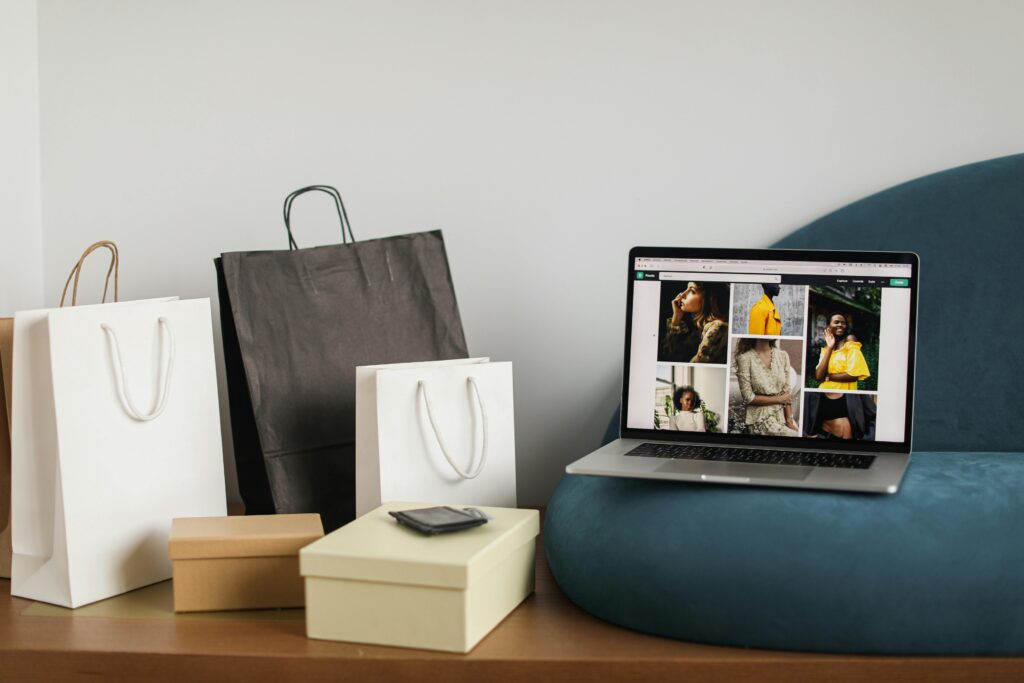
The algorithm does not wait for you to want something. It plants the want and then it sells you the thing that will scratch it.
A 15-second video shows you a problem you did not know you had. It can be a drawer that is not organized enough, a counter that needs a cuter container, or a hand that needs a kitchen gadget shaped like a goose. By the second loop, you are already imagining your life with that item in it. By the third loop, the small picture of your home in your head has shifted enough that the gadget seems to belong there.
This is the part that took me the longest to realize. The product was never the point. The trained desire is. The system needs you to keep wanting and the easiest way to make sure you do is to design the wanting itself.
When I realized that I’m in this situation myself, I usually ask myself: did I see this problem in my life before the video appeared? Did I want this thing yesterday? Will I still want it next month?
Most of the time, the honest answer is no. Most of the time, the video had invented the problem and the solution in the same 15 seconds and handed me both.
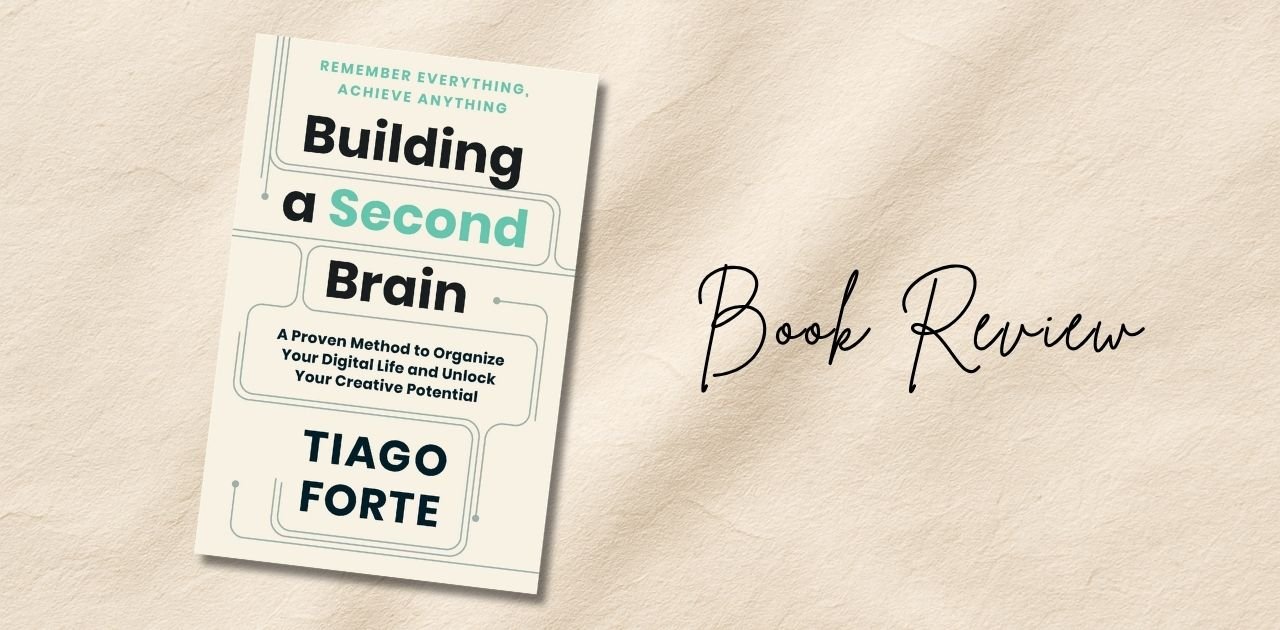
Related Article: How Your Feed Keeps Selling You Useless Products
What I want to say here is the part that goes further than the products themselves. It’s the same machinery that planted the want for a goose-shaped soap dispenser also planted our other wants.
It’s the want for a certain kind of vacation, a skincare ritual at night, and a workspace that looks a certain way. Also, there’s the want to be the kind of person who drinks matcha and journals at sunrise. None of those things are bad on their own. The problem is that I did not arrive at any of them on my own either. I scrolled into them. Once you start asking which of your wants you actually picked up yourself, the answer is a lot less than you would think.
That is how the buying urge grows through time. It becomes a rewriting of what you think you want your life to look like. The feed sells you a chopper today. The next thing, it sells you a personality.
The other tax you are paying
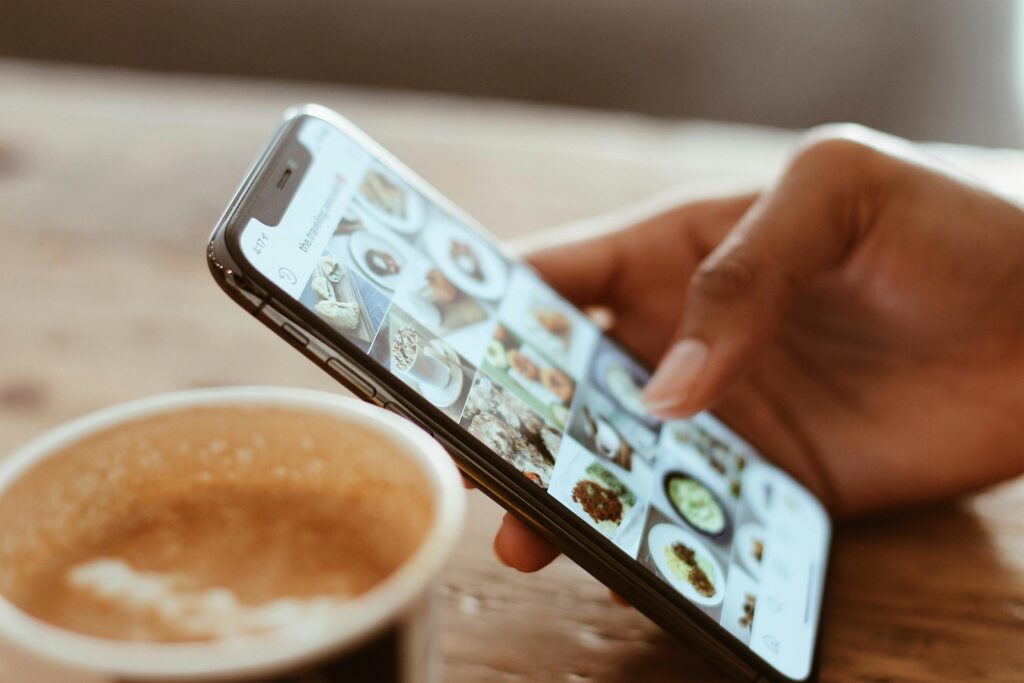
The first tax this system collects is your money. We have talked about that. The second tax is harder to see because it does not show up on a bill. It shows up in how tired you are at the end of a normal day.
This is the attention tax. Every minute on the feed is a minute someone is selling. The platform is selling your time to advertisers, the influencers are selling their next affiliate link, the hot takes are selling you a new opinion to carry around, the hustle gurus are selling you the feeling that you are behind, the productivity creators are selling you a system you do not need, and the doom feeds are selling you a steady drip of low-grade alarm. By the time you put the phone down, you have paid in your attention and time.
Related Article: The Quiet Exit: How To Quit Instagram For Good And Reclaim Your Life
I am a highly sensitive person, so I notice this tax sooner than most. An hour of being on social media can leave me resless for the rest of the day. A thread of arguments on Reddit I did not need to read can sit in my chest until I go to sleep. A reel about someone else’s perfect home or perfect routine keeps me wanting more. None of this happens because I am weak. It happens because the content is engineered to provoke a reaction, and a sensitive nervous system is very good at giving one.
If you are also someone who finishes a scroll session feeling worse and you do not know why, that is the tax. The feed pays itself in your peace of mind.
What I have learned from this is that minimalism is not just about taking things out of your home. It is also about taking things out of your day. There are the endless hot takes, comparisons, and content telling you what your house, body, marriage, business, and morning routine should look like. None of it makes your life better. Most of it makes it harder to hear yourself think.
Social media feed these days will keep adding new ways to get you glued on your phone and the app. What we can do is to notice that the attention is yours, that it is finite, and that you do not have to keep handing it over just because the platform is built to take it.
The slow disappearance of you
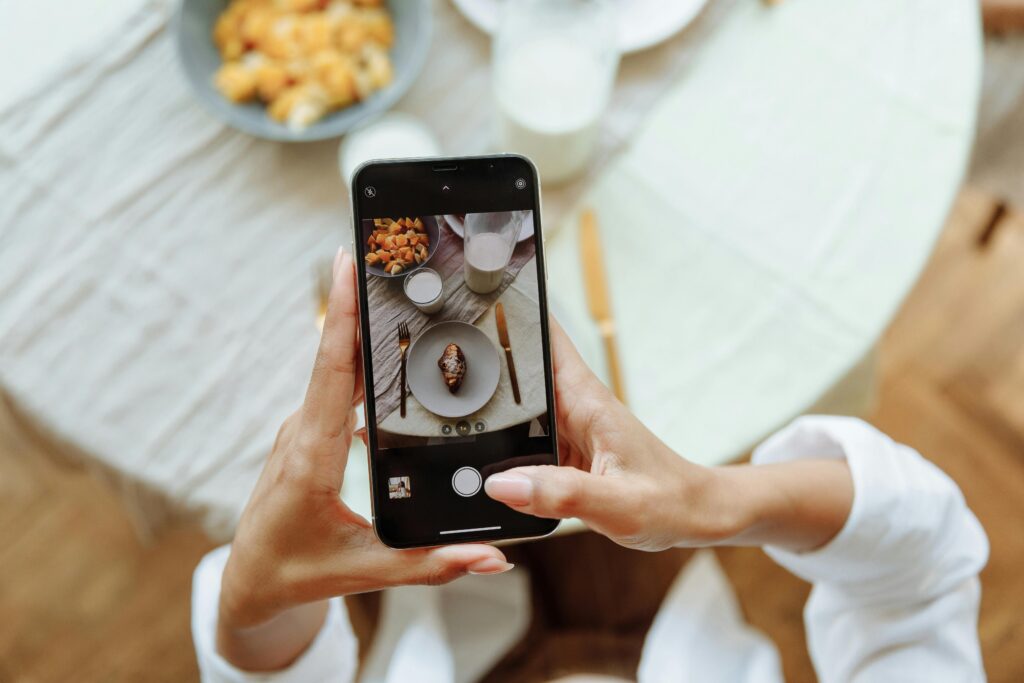
If the first two taxes are money and attention, the third one is the hardest to see because by the time you notice you are paying it, the thing being taken is already gone. The third tax is you.
This is the part I want this post to land most clearly. Algorithms do not just sell you products and take your time and attention. Over time, they shape who you become. They are not built to celebrate your individuality. They are built to put you in a category they can predict, because predictability is what makes money for them. The more legible you become to the algorithm, the more it can serve you, and the more you can be served to advertisers in turn.
It just happens slowly. You watch enough videos and your taste starts to drift toward whatever the videos are pushing. You see the same aesthetic in other people’s houses and your own home starts to want that aesthetic. You read enough captions in the same tone and your own captions start to sound like everyone else’s. The phrases everyone is using start coming out of your mouth. The opinion everyone is having starts to feel like the opinion you always had. After a while, you can;t tell what is you and what is the feed.
In the Philippines, this is amplified by something we were already living with. Pakikisama (Going along with the group) and hiya (Shame or the fear of standing out) have always shaped how we move through the world. We were trained to read the room, to not be the odd one out, and to fit in with the crowd. Those instincts are not bad because they build the kind of warmth and togetherness our culture is known for.
The problem is that the algorithm has learned how to use those instincts against us. The feed gives us the global crowd to read, the trend to keep up with, and the aesthetic to perform. So now, we are not just trying to fit in with our families and our friends. We are trying to fit in with strangers across the planet who do not even know we exist.
You can see it everywhere if you look. There is the same Stanley tumbler on every desk or the same cafe interior in every new coffee shop with the warm wood, the white walls, and the dried pampas grass. Every birthday post has the same caption style, every hugot moment uses a line from the same Korean dramas, and every wedding has the same entrance dance to the same trending song. Even the way people grieve has started to look the same, because there is a template for that on TikTok now too.
I am not pointing at this to judge anyone. I was in it for years. I posted what everyone was posting and I followed the script. The thing I want to name is that the script was never written by us. It was written by the platforms and content creators we’re spending hours on and we kept performing in it.
The minimalism that matters most is the one that protects this. It gives you back your own taste, opinion, preferences, pace of life, ideas, perspective, and self-image. The clean shelf is nice, but having our original and unique self is the point.
Small minimalist practices that I do as a millennial
None of these practices that I am about to share are dramatic. Neither it requires a fresh start or a brand-new life. The practices that pulled me out of consumerism and back into something that feels true to me were small, slow, and very ordinary. That is the only reason they worked.
1. Move the phone across the room at night before you sleep.
Put your phone where you have to get out of bed to reach it. When the phone is just beside where you sleep, the first thing you do upon waking up is to reach it and scroll. Yet, when it is across the room, the first thing you do is wake up and start your day
2. Uninstall the apps that ask the most of your time.
Mine were Instagram, Facebook, and TikTok. They have not been on my phone since 2023. If I need to log in for work, I do it through my laptop and log out after. That friction to log in and reach my laptop to log in are enough to stop me from going back.
3. Turn off notifications, both on cellphone and desktop.
Most app notifications are not messages from people. They are interruptions designed to bring you back.
4. Ask yourself several times before making any purchase.
Did I see this problem in my life before the video appeared? Did I want this thing yesterday? Will I still want it next month? If majority of the answer is no, leave the item in the cart for a few days. Most of the time, the want goes away on its own.
5. Hold on to your things longer than the internet says you should.
I still use the same phone I bought in February 2019, the same wallet from before the pandemic, and the same shoulder bag from my last office job in 2022. I am not bragging. I just stopped replacing things that still work. It is just a refusal to keep replacing things that are still working.
6. Let yourself be bored.
This is the one most people skip and the one that does the most work. Watch the trees, watch the birds, sit with your own thoughts, and/or stare out the window for a few minutes without reaching for the phone. Boredom is where your own thoughts come back and your own thoughts are the part of you the internet can’t serve. Boredom is where you start hearing your true self again.
7. Make time to read so the feed is not your only window to the world.
Read books, long essays, and things written by people who are not optimizing for a thumbnail. The more places your ideas come from, the harder it is for one app or the internet to shape how you think.
8. Be okay with being uncool.
This is the one that finally untangled me from the bandwagon. You do not have to own the trendiest item, post on the trending platform, do the trending dance, or have the trending opinion. Being out of step with the internet shows that you are still in step with yourself.
What I always come back to
I don’t have a perfect minimalist life. I still buy things or scroll sometimes. The difference is that I notice when it happens and I have the power to step back when it does.
What I have now is smaller and more peaceful than the life I used to perform. There are fewer things I have to take care of, but more books, more conversations, and more time in the same room as the people I value.
As mentioned previously, minimalism is not just about owning less. It is also about being in your own self again. Someone with my own taste, pace, thoughts. and Someone who is not constantly being sold to, performed for, or quietly turned into a category for a social media algorithm.
The world will keep building louder ways to take pieces of you through money, attention, time, and a sense of who you are. None of it asks for permission and it just keeps reaching. You just need to start choosing yourself back.


Leave a Reply