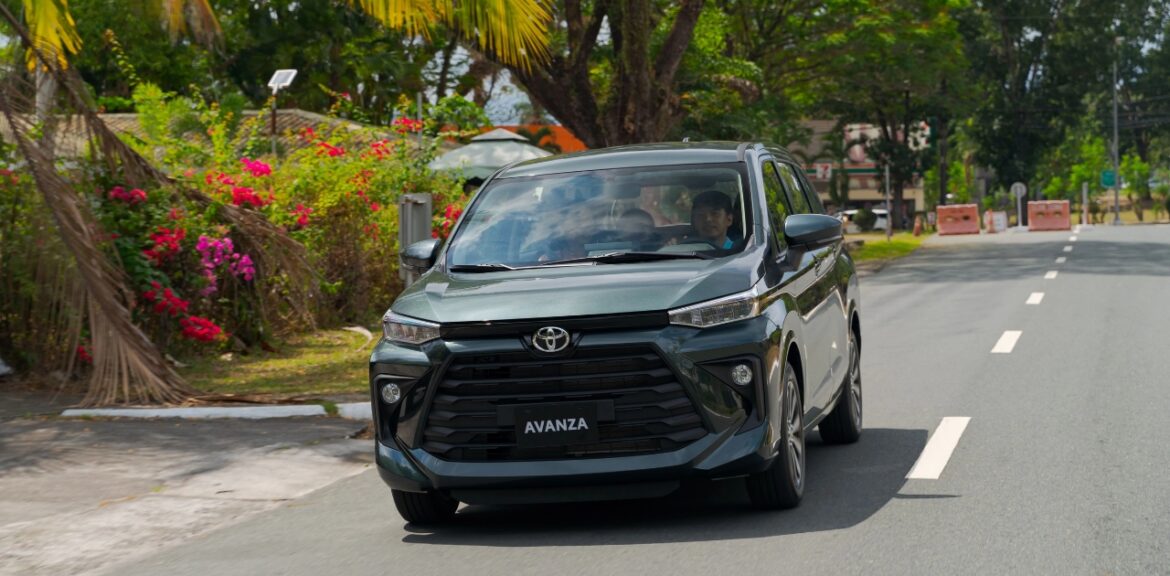
Photo from Toyota Motors Philippines Corporation
In the Philippines, one of society’s markers of success, aside from having a house, is owning a car. Have both and people always assume that you’ve somehow “made it.”
However, is it really considered a success if a huge chunk of your salary goes straight to a car’s monthly amortization? A rule of thumb that financial experts always say is that car payments should be no more than 20% of income. Yet, I’ve seen people who are paying past that percentage and stretching their budget every month just to keep the car in the garage. We’re only talking about the monthly amortization and not the other expenses associated with owning a car.
I don’t believe that’s success when a person is quietly struggling as a result of owning that car.
I’m not just guessing about this.
I’m not writing this from the outside looking in. For the first six years of my career, I worked in the loans department of two large banks in the Philippines where I handled auto loans. Among my many tasks were to review the submitted requirements and process the applications. During that process, I saw the interest rates up close, the down payments made, the monthly amortization to be paid, and the fees associated with owning a car through a loan. I watched people sign up for loans for cars they were excited about. Some were doing it responsibly while the others don’t have a full picture of what they were signing up for the long term.
Similarly, I watched what happened after the signing. A few months or years later, some would face car repossession because of consistently delinquent or missed payments. What a lot of people don’t realize is that this doesn’t just disappear once the car is repossessed. It gets reported not only to one bank, but also to the Credit Information Corporation, the government body that tracks credit history across the entire Philippine financial system. It follows that person into future applications affecting their credit score, whether that’s a credit card, a housing loan, other types of loan, or another vehicle down the line.
Even though I do repetitive and mundane tasks from that job, it taught me things other people haven’t seen. These are the real differences between what a car costs on paper and what it costs over the life of the loan, how financing terms get sold as convenience without much said about the price of that convenience, and what happens when someone’s income changes and the car payment doesn’t.
So, when I say I’m choosing not to own a car for now, it’s shaped by years of watching this process from the bank’s side of the table.
The real cost of owning a car.
People usually compare a car loan to cash by looking only at the price tag, but that’s not really the full picture.
When you finance a car through the bank, one actually pays more than the price tag. You pay interest, bank fees, and yearly insurance on top of it. Insurance is not just an option, but a mandatory one if you get a car through a loan. All banks also ask for a downpayment of at least 20%. The bigger your downpayment, the smaller your monthly payment since you’re borrowing less. However, even with a big downpayment, the interest and fees still pile up over the car loan term. By the time you finish paying, you’ve spent more than the car was ever worth.
On the other hand, buying a car through cash skips the interest and bank fees. You pay once for the real price and that’s it! The catch is, you need a big amount of money upfront which is money that you need to save or money that could be growing somewhere else instead.
Then, there’s a secondhand versus brand new option. A brand new car loses its value the moment you drive it out of the dealership, and it keeps losing its value fast in the first few years. This is called depreciation of an asset. The same thing happens for a secondhand car, especially one that is only a few years old, has already gone through most of that drop in asset value. You get a car that still runs well, for less money, and it won’t lose value as fast from here. If you’re still financing secondhand cars, a smaller loan amount also means less interest.
On top of the loan or the cash price, owning a car comes with maintenance you can’t skip like oil changes, tire replacements, and regular checkups to keep it running safely. Then, there’s the maintenance you can’t plan for, like a sudden breakdown, an accident, or a part that fails when you least expect it. These emergency repairs can cost as much as several months of amortization in one hit. These events don’t wait for a convenient time to happen.
Likewise, you can’t just leave a car problem unfixed. Beyond safety, there’s the social side of it. If your car sits parked in your garage for too long because you’re commuting instead, your Marites neighbors notice. If there’s a dent you haven’t repaired, people notice that too and it makes them wonder if you can actually afford the car you’re driving. So, even small damages end up needing quick fixes, not because you always need it fixed right away, but because appearances become part of the cost of owning a car.
None of this means financing is always bad or secondhand is always the smarter buy. In a nutshell, a car costs more than its price tag and most people only notice the monthly payment until it’s too late to notice the rest.
The one day approval trap.
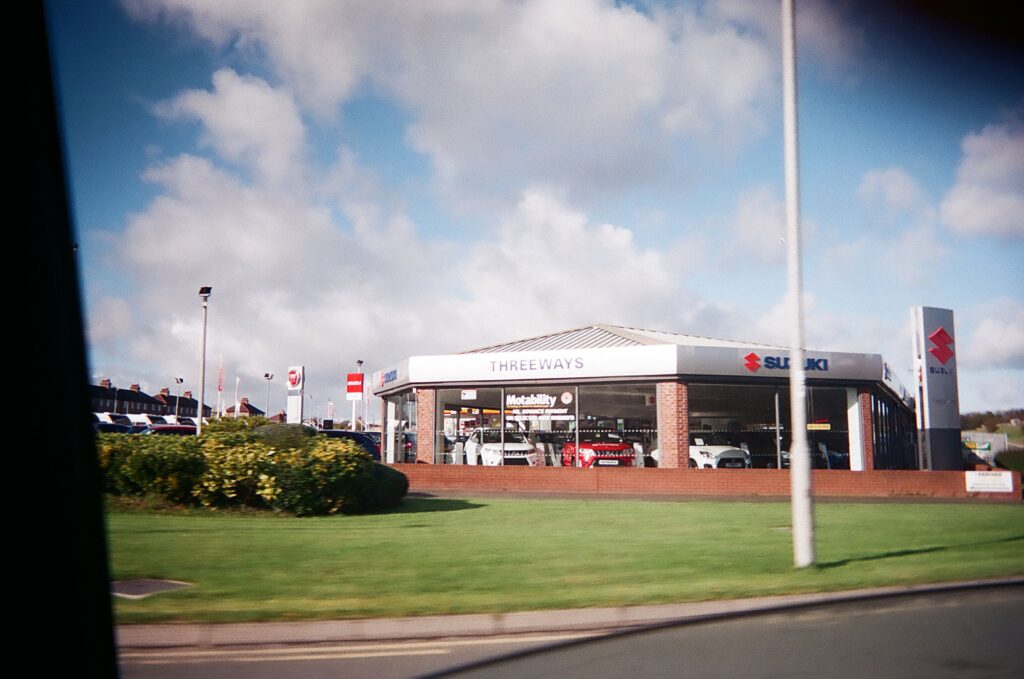
Car dealerships love to sell speed. With just one day, the car you’ve been eyeing will be yours in just one day.
This is how the conversation shifts from a bank loan to dealer in-house financing. You see it at malls where agents display the latest car models with big signages advertising zero downpayment or all-in financing. It’s designed to catch you at the right moment when you’re out shopping or strolling at the mall, then a shiny car with an easy offer is right in front of you. Banks rarely offer terms like that, so it sounds like the easier and cheaper option.
What these agents don’t mention as often is the cost of that speed. In-house financing at dealerships usually comes with a much higher interest rate than a bank loan. Banks take longer processing because they check your income, your credit history, your ability to pay over time, and others. Dealers skip a lot of that, which is exactly why they can approve you in a day. However, that faster approval has to be paid for somewhere which shows up in the interest rate you’re paying.
There’s another difference most people don’t find out until much later. With a bank auto loan, the car’s certificate of registration is under your name from the start even with the loan encumbrance annotated on it. With dealer financing, that’s usually not the case. You get a deed of sale, but the registration stays under the dealership’s name while you’re paying. So, even after you finish paying off the car, you still have to go through the hassle of transferring the registration into your own name. The car feels like yours the moment you drive it out, but on paper, it isn’t yet.
People get excited about driving home the same day and don’t stop to ask what that convenience is actually costing them, in interest and in paperwork. A slightly longer wait with a bank could mean paying thousands less in interest and owning the car under your name from day one. Yet, waiting doesn’t feel as good as driving off the car dealership right now, so most people take the fast option and deal with the real cost later.
The car payment doesn’t know life changes.

I remember someone I know who was doing fine with their monthly car payments. Then, a medical emergency happened in the family where hospital bills piled up fast and there wasn’t enough left for the car payment.
The interest kept building on top of what was already unpaid and the amount owed grew faster than they could catch up to it. What used to be a manageable monthly payment turned into a number that felt impossible to fix. Eventually, the car was repossessed and the missed payments stayed on record with the Credit Information Corporation which will follow them into whatever loan or credit application comes next in the future.
Nobody plans for a medical emergency. A car loan assumes your income stays steady for the next five years, but life doesn’t work that way. One unexpected event can turn a normal monthly obligation into something that costs a car, savings, and years of credit standing.
That story is part of why I think about a car loan differently now. It’s not just a monthly payment I’m committing to. It’s a bet that nothing will go wrong for years and I’ve seen what happens when that bet doesn’t pay off.
Not never, just not now.
Right now, my priority is building wealth and not spending on things that lose value the moment I own them. That means putting money into savings and investments that yield returns by letting my money grow instead of putting it in a car that depreciates every year.
It also means having insurance that protects me from risk, especially with health emergencies. Healthcare costs alone can wipe out a household’s finances here in the Philippines. That’s not a risk I want to leave uncovered while also carrying a car loan.
I won’t pretend I don’t want a car. I badly do, for comfort and for convenience. At the same time, it’s also because public transportation and infrastructure in this country has gotten worse. However, wanting a car isn’t the same as being ready for one. That’s why I’m building the foundation first before I put money into a piece of metal that starts losing its value the moment I drive it out.
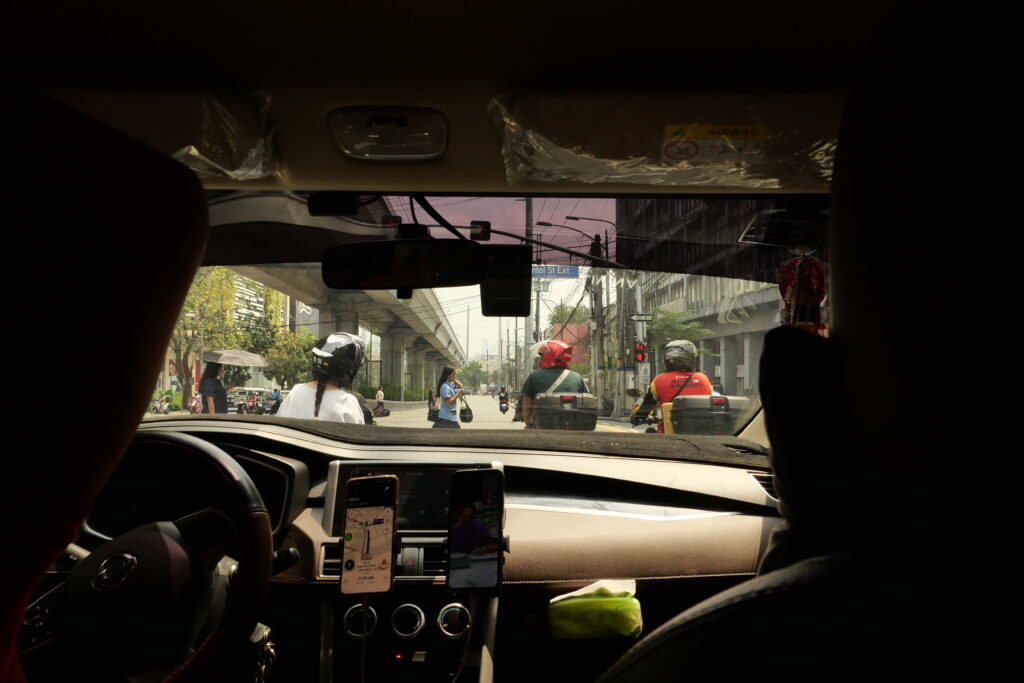
To stay comfortable while getting around, I book a Grab car whenever I need to go somewhere. It costs more than regular public transportation, but I get the comfort and the cool air conditioning. Since I work remotely, I rarely leave the house anyway which makes the cost reasonable for where I am right now. Yes, it’s pricier than the usual commute, but I prefer paying for comfort right now, but not a monthly loan payment, not bank fees, and not maintenance costs that would drain my wallet.
I also know that not everyone has the privilege to book a Grab Car whenever they want. A lot of Filipinos don’t have that choice and rely on regular public transportation because it’s what they can afford. I empathize with that completely, because I was once in those same shoes.
I’m not against cars. I’m not saying no one should ever get one, or that owning a car makes someone irresponsible. I’m saying that I know what a car costs, not just the price tag, but the interest, the fees, the maintenance, and the risk of one bad month that turns into years of trouble. So, I’m choosing to wait until I can afford it without it competing with my financial goals.
So for now, I don’t have a car and that’s okay. I’ll keep booking Grab Car, keep growing what I have, and keep building a good financial foundation. When I do get one, it is a choice I make from a place of stability, not a loan I’m hoping I can keep up with.
Until then, I’m okay taking the longer way there.






Leave a Reply